The Cultural Revolution of Broadway in the 1950s
Broadway in the 1950s underwent a significant transformation, mirroring the social upheavals of the time. Musicals began to address pressing social issues, reflecting the cultural shifts in America. This era saw the rise of innovative storytelling and character development that reshaped the musical landscape.
- ReadBroadway theatre · Wikipedia
Defines Broadway theatre as a genre encompassing 41 professional theaters in New York City, representing the pinnacle of live theater in the English-speaking world. The Theater District and Lincoln Center are key locations for these performances.
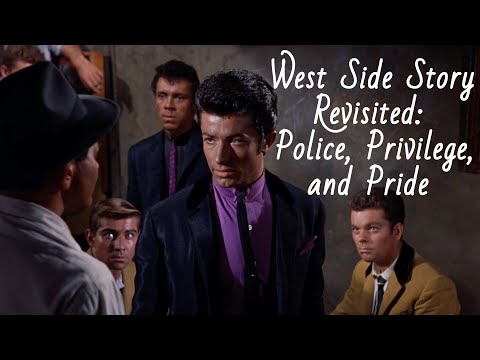
- WatchWest Side Story Revisited: Police, Privilege, and Pride (Video essay) · YouTube
Analyzes the themes of 'West Side Story,' particularly the portrayal of police interactions with the rival gangs, the Jets and Sharks. The 1961 film adaptation won ten Academy Awards, showcasing its cultural significance.
- BookSomething Wonderful: Rodgers and Hammerstein's Broadway Revolution · Bookshop.org
Examines how Rodgers and Hammerstein revolutionized musical theatre by integrating songs and dance into the narrative, elevating the genre to a serious art form. Their collaboration set a new standard for future musicals, influencing countless productions.

Each piece in this curation highlights a different aspect of Broadway's evolution during the 1950s. Starting with an overview of Broadway theatre, the journey then moves to a critical examination of 'West Side Story' and its social commentary. The final piece focuses on the groundbreaking contributions of Rodgers and Hammerstein, illustrating the lasting impact of their work on the genre.
Book links are Bookshop.org affiliate links. Curiate may earn a commission on purchases, at no extra cost to you — Bookshop.org also gives a share to independent bookshops.
Reading paths, built to arrive somewhere
Curiate turns what you are curious about into a short path — an entry point, something to watch, and the key book on the topic. Free to browse.