The ethics of care and particular relationships
The ethics of care in feminist philosophy is a normative ethical theory that centers moral action on interpersonal relationships and care or benevolence as a virtue. How do particular relationships shape care, responsibility, and moral judgment? By the end, readers will understand how care offers a way to think about obligations and ethical life.
3 articles, 1 book
The reading path
- Readthe ethics of care in feminist philosophy · Wikipedia
In the Heinz dilemma, Amy sees a network of relationships and disagrees that Heinz should steal the drug, lest he should go to prison and leave his wife in another predicament. Carol Gilligan, a psychologist who studied moral development, presents Amy as confident that the druggist would work with Heinz once the situation was explained, linking care to particular relationships. Gilligan posited that men and women often speak different languages they think are the same.
- Read"Care Ethics" · iep.utm.edu
Caring for one's own child is an immediate and direct responsibility, and parents have a moral responsibility to care for their children. Care ethics recognizes the importance of prioritizing relationships and considers the family a primary sphere for understanding ethical behavior and cultivating virtues.
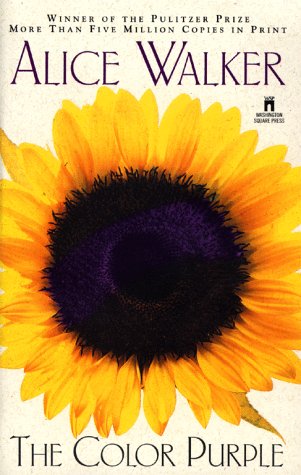
- BookThe Color Purple · Bookshop.org
Joan Tronto, a theorist of the ethics of care, says care requires recognizing others' needs and taking responsibility ourselves. She asks, "But when is ignorance simply ignorance, and when is it inattentiveness?" and distinguishes responsibility from obligation, which is often tied to societal and cultural norms; providing care also requires competence. Ethics-of-care theorists note that in many situations, such as childhood, very large power imbalances mean relationships are based on care rather than any form of contract. They argue that care may be a better basis for understanding society than freedom and social contracts.
- ReadEthics of care - New World Encyclopedia · newworldencyclopedia.org
The Color Purple is a book by Alice Walker.
Book links are Bookshop.org affiliate links. Curiate may earn a commission on purchases, at no extra cost to you — Bookshop.org also gives a share to independent bookshops.
Reading paths, built to arrive somewhere
Curiate turns what you are curious about into a short path — a quick lesson on an article, something to watch, and a book to go deep on. Free to browse.