Palliative care and living well through serious illness
Palliative care is an interdisciplinary approach to optimizing quality of life and reducing suffering for people with serious, complex, and often terminal illnesses. How can care support living well through serious illness? By the end, readers will understand how symptom relief, emotional support, comfort-focused care, and treatment choices aligned with personal goals can contribute to quality of life.
2 articles, 1 book
The reading path
- Readpalliative care · Wikipedia
Palliative care can improve quality of life through pain and symptom management, caregiver support and care coordination. For example, the American Society of Clinical Oncology recommends that patients with advanced cancer be "referred to interdisciplinary palliative care teams that provide inpatient and outpatient care early in the course of disease, alongside active treatment of their cancer" within eight weeks of diagnosis. Cicely Saunders, a hospice pioneer, introduced "total pain" in the 1960s to describe pain with physical, psychological, social and spiritual roots that remain closely linked. Hospice is care focused on comfort near the end of life; identifying a cause can guide care for some patients and improve quality of life, and an interdisciplinary palliative care team can help people and their families cope through counseling, visualization, cognitive methods, drug therapy and relaxation therapy. Hospice care focuses on comfort and psychological support, and curative therapies are not pursued, linking its approach to the path's focus on living well.
- Read"What is Palliative Care? | Definition of Palliative Care | Get Palliative Care" · getpalliativecare.org
Palliative care is guided by a patient's needs, not prognosis, and its team helps match treatment choices to personal goals while keeping the patient's other doctors informed. This coordination gives patients more control over care and supports quality of life.
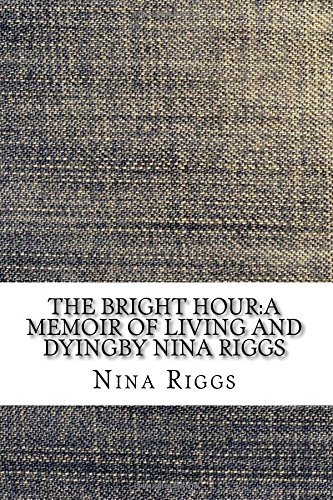
- BookThe Bright Hour: A Memoir of Living and Dying · Bookshop.org
The Bright Hour by Nina Riggs describes living and loving each day with "death in the room" and facing terminal illness, while writing about literature as a balm and a form of prayer. This personal account shows how someone can confront death and find meaning through literature.

Book links are Bookshop.org affiliate links. Curiate may earn a commission on purchases, at no extra cost to you — Bookshop.org also gives a share to independent bookshops.
Reading paths, built to arrive somewhere
Curiate turns what you are curious about into a short path — a quick lesson on an article, something to watch, and a book to go deep on. Free to browse.