The fashion trends of the roaring twenties and flapper style
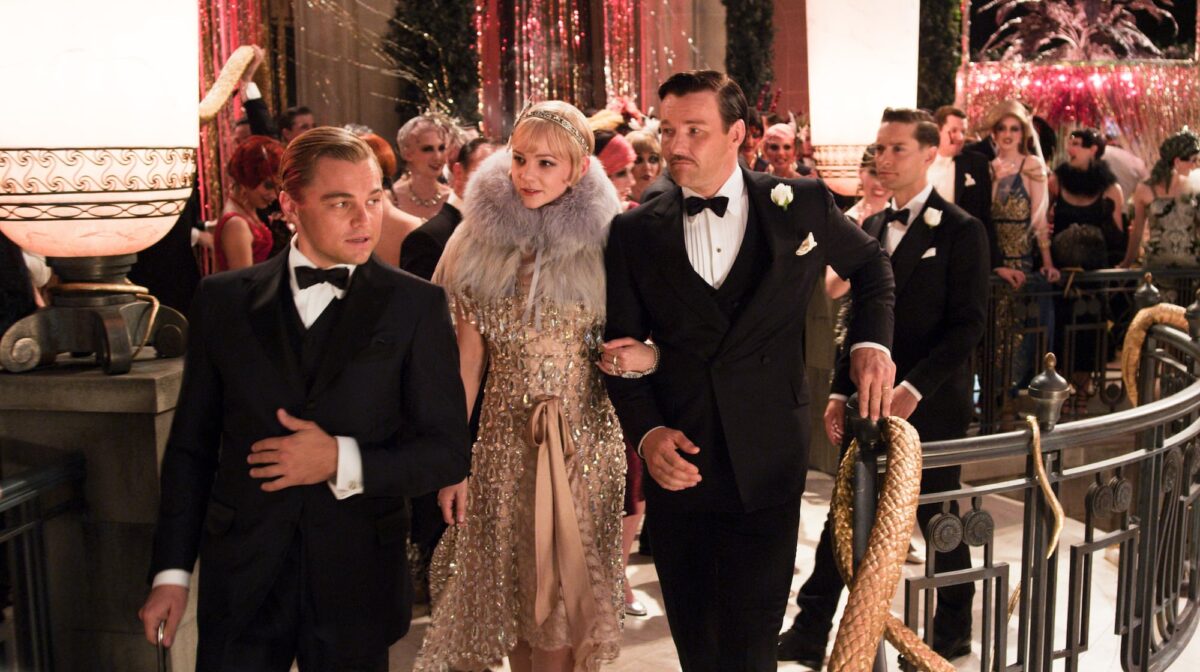
The fashion trends of the Roaring Twenties were a modernization of Western fashion: women wore looser clothing revealing more of their arms and legs, while men adopted less formal daily attire and sportswear entered mainstream fashion. From 1925, the public more passionately embraced the styles now typically associated with the Roaring Twenties.
2 articles, 1 book · about 34 min of reading and viewing
The reading path
- Readthe fashion trends of the roaring twenties · Wikipedia · 22 min read
Jazz dances such as the Charleston replaced the slow waltz. Jazz music sparked the need to dance, and dance sparked the need for new clothing, especially for women to dance without being constricted. In the fashion trends of the Roaring Twenties, the straight-line chemise topped by the close-fitting cloche hat became the uniform of the day. Women bobbed their hair short to fit under the popular hats, a radical move in the beginning but standard by the end of the decade. Coco Chanel was one of the first women to wear trousers, cut her hair short, and reject the corset. Probably the most influential woman in fashion of the 20th century, Chanel did much to further the emancipation and freedom of women's fashion.
- Read1920s Fashion History - Flapper Dress · Fashion-Era · 12 min read
Flappers did not truly emerge until 1926, marking a later development in the fashion trends of the roaring twenties. Flapper fashion embraced all things and styles modern. The fashion trends of the roaring twenties included broader shoulders, shorter hair, suppressed busts, and disappearing waists. The silhouette emphasized a flattened chest and eliminated womanly curves as the line became more simplified.
- BookFlapper: A Madcap Story of Sex, Style, Celebrity, and the Women Who Made America Modern · Bookshop.org
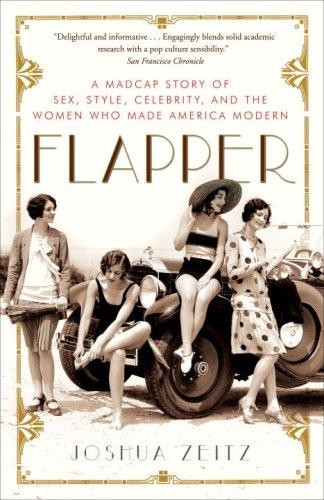
Flapper by Joshua Zeitz describes the New Woman's hemlines and departures from Victorian manners, and argues that she earned her own keep and controlled her own destiny, connecting changes in dress to women's growing independence.

Book links are Bookshop.org affiliate links. Curiate may earn a commission on purchases, at no extra cost to you — Bookshop.org also gives a share to independent bookshops.
Reading paths, built to arrive somewhere
Curiate turns what you are curious about into a short path — a quick lesson on an article, something to watch, and a book to go deep on. Free to browse.