The folk music revival in 1960s Greenwich Village scene
The folk music revival in 1960s Greenwich Village included Lead Belly's recordings of "Cotton Fields" and "Goodnight, Irene," and folk albums released by Odetta.
2 articles, 1 book · about 34 min of reading and viewing
The reading path
- Readthe folk music revival in 1960s greenwich village · Wikipedia · 30 min read
The folk music revival in 1960s Greenwich Village gained tremendous new visibility and prestige because Freedom Songs played a critical role in voter registration drives, freedom rides, and lunch counter sit-ins during the Civil Rights Movement of the late 1950s and early '60s in the South. The Clancy Brothers and Tommy Makem, Greenwich Village folksingers, were the most successful ethnic performers of the American folk revival, and Billboard magazine listed them as the eleventh best-selling folk musicians in the United States. The group predominantly sang English-language Irish folk songs, as well as an occasional song in Irish Gaelic. In the folk music revival, Bob Dylan began recording with a rocking rhythm section and electric instruments in 1965, and many other still-young folk artists followed suit. The Lovin' Spoonful and the Byrds, whose members often came from the folk-revival coffee-house scene, won recording contracts with folk-tinged music played by rock-band line-ups.
- ReadFolk Music in Greenwich Village: 1961-1970 - Village Preservation · Village Preservation - Greenwich Village Society for Historic Preservation · 4 min read
Gerde's Folk City, at 11 West 4th Street, was a popular performance space and hangout in the folk music revival in 1960s Greenwich Village. Bob Dylan, a folk musician, had his first professional gig there on April 11, 1961, supporting Blues great John Lee Hooker.
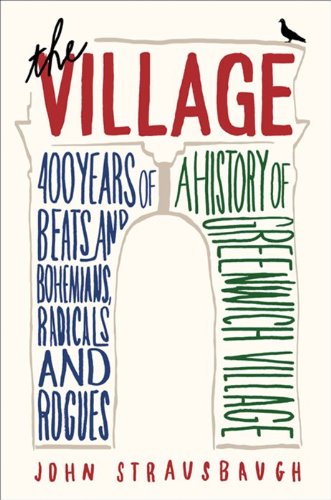
- BookThe Village: 400 Years of Beats and Bohemians, Radicals and Rogues · Bookshop.org
The Village by John Strausbaugh traces Greenwich Village's role as a culture engine, describing how nonconformists collaborated, fused, and feuded as they developed ideas and created art.


Book links are Bookshop.org affiliate links. Curiate may earn a commission on purchases, at no extra cost to you — Bookshop.org also gives a share to independent bookshops.
Reading paths, built to arrive somewhere
Curiate turns what you are curious about into a short path — a quick lesson on an article, something to watch, and a book to go deep on. Free to browse.