The folk revival and the Greenwich Village scene
The folk music revival in 1960s Greenwich Village included Lead Belly's recordings of "Cotton Fields" and "Goodnight, Irene" and folk albums released by Odetta. Hays and Seeger founded the Almanac Singers in 1941, and the Weavers debuted at the Village Vanguard in 1948. How did folk music move from revival to a Village scene, and what shaped its reach, performers, and places?
2 articles, 1 book
The reading path
- Readthe folk music revival in 1960s greenwich village · Wikipedia
The Weavers' career ended abruptly when Decca dropped them because Pete Seeger, a folk singer, was listed in Red Channels as a probable subversive. Radio stations refused to play their records and concert venues canceled engagements; folk music, which often carried the stigma of left-wing associations during the 1950s Red Scare, was driven underground, and the folk-music scene became associated with vaguely rebellious bohemianism in places like Greenwich Village. The Kingston Trio's commercial success emboldened record companies to sign and promote artists with more traditionalist and political sensibilities, critic Bruce Eder noted. The Kingston Trio's popularity was followed by folk singer Joan Baez, whose traditional songs and open political alignment, and Freedom Songs' role in Civil Rights Movement activism, helped widen folk's reach; the category soon included personal, poetic creations by performers calling themselves "singer-songwriters". The Clancy Brothers and Tommy Makem, Greenwich Village folksingers, were listed by Billboard magazine as the eleventh best-selling folk musicians in the United States and predominantly sang English-language Irish folk songs. Pete Seeger, a folk musician, played banjo on their Grammy-nominated 1961 album, linking the group to the American folk revival, whose effects included a folk-music boom in Ireland in the mid-1960s.
- ReadFolk Music in Greenwich Village: 1961-1970 - Village Preservation · Village Preservation - Greenwich Village Society for Historic Preservation
Gerde's Folk City, at 11 West 4th Street, gave the Village scene a stage where careers could take shape: Bob Dylan had his first professional gig there on April 11, 1961, and his performance was reviewed in the New York Times. In 1963, Kane & Garr debuted three songs there; after a studio audition, they were signed and returned in 1964 as Simon and Garfunkel. The Gaslight Café and the Kettle of Fish also booked and served folk musicians.
- BookThe Village: 400 Years of Beats and Bohemians, Radicals and Rogues · Bookshop.org
The Village by John Strausbaugh traces Greenwich Village's role as a culture engine, describing how nonconformists collaborated, fused, and feuded as they developed ideas and created art. Its neighborhood-wide account situates the folk music revival within a longer history of cultural change.


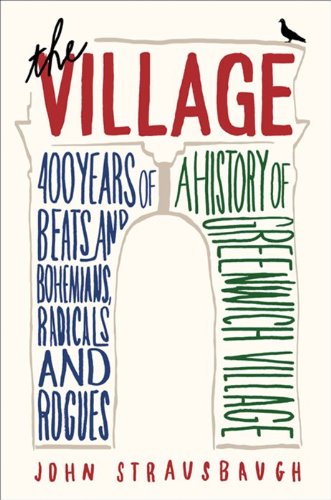
Book links are Bookshop.org affiliate links. Curiate may earn a commission on purchases, at no extra cost to you — Bookshop.org also gives a share to independent bookshops.
Reading paths, built to arrive somewhere
Curiate turns what you are curious about into a short path — a quick lesson on an article, something to watch, and a book to go deep on. Free to browse.