The history of graphic design and visual communication
The history of graphic design concerns a profession, academic discipline, and applied art that creates visual communications to transmit specific messages to social groups. With origins in Antiquity and the Middle Ages, it was initially linked to the rise of printing in Europe in the 15th century and the growth of consumer culture in the Industrial Revolution.
2 articles, 1 video, 1 book · about 39 min of reading and viewing
The reading path
- ReadThe history of graphic design · Wikipedia · 23 min read
William Morris' Kelmscott Press was a leader in graphic design associated with the Arts and Crafts movement from 1891 to 1896, creating hand-made books in medieval and Renaissance-era style, as well as wallpaper and textile designs. Morris' work, along with the rest of the Private Press movement, directly influenced Art Nouveau. Johannes Gutenberg developed a way to reproduce printed pages at a faster pace in the mid-15th century in Mainz, Germany, using movable type made with a new metal alloy. Movable type printing had made books widely available during the Song dynasty (960 to 1279). In the mid-1980s, desktop publishing and graphic art software introduced digital tools for image manipulation and creation, replacing many processes previously done by hand. Computers let designers instantly see layout or typographic changes and simulate traditional media, supporting visual communication through digital tools.
- ReadEast and West: Graphic Design in Singapore Today - DesignObserver · Design Observer · 9 min read
Su Yeang, a graphic designer, paid her own way to hold "Breaking Barriers" in The Design Centre in 1994, exhibiting Su Yeang Design's work to educate the public and businesses on the importance of good design. The exhibition reflected a time when graphic design was seen as a problem-solving tool for businesses. Young Singapore designers wanted to use graphic design as more than a tool of business, drawing on overseas idols such as Carson, Saville, Tomato or The Designers Republic. Little Ong, who started fFurious in 1999 out of his bedroom, was very influenced by Carson and Ray Gun magazine.
- WatchThis Is REAL Graphic Design (And It Works) · YouTube · 7 min watch
The video examines the famous Apple iPod adverts from the early 2000s, a Nike landing page and a charitable cause for kidney health, exploring why famous designs work and how design theory and principles help deliver messages and influence audiences, often to purchase goods or services.
- BookA History of Graphic Design · Bookshop.org
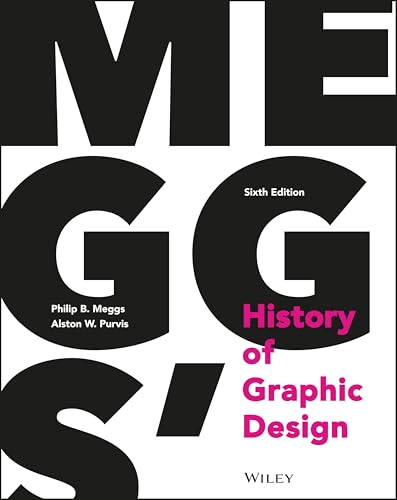
A History of Graphic Design by Philip B. Meggs surveys topics from the invention of writing and alphabets to postmodern design, and describes milestones, developments, and pioneers of the trade, historical material for understanding how graphic design has changed.



Book links are Bookshop.org affiliate links. Curiate may earn a commission on purchases, at no extra cost to you — Bookshop.org also gives a share to independent bookshops.
Reading paths, built to arrive somewhere
Curiate turns what you are curious about into a short path — a quick lesson on an article, something to watch, and a book to go deep on. Free to browse.