The history of graphic design from symbols to shared systems
The history of graphic design is the history of combining text with images and concepts, most often for advertisements, publications, or websites. It is frequently traced from the onset of moveable-type printing in the 15th century, though earlier developments and technologies related to writing and printing can be considered part of the longer history of communication.
2 articles, 1 book · about 39 min of reading and viewing
The reading path
- Readthe history of graphic design · Wikipedia · 36 min read
In the history of graphic design, Austrian social scientist Otto Neurath used graphic design to help people understand social and economic trends through statistical charts. The Museum of Economy and Society aimed to make complicated trends easy to grasp with intuitive, interesting charts. German printers introduced woodblock printing to produce playing cards during the 15th century. Lower production costs enabled the printed cards' quick exportation throughout Europe. CSS, proposed by Håkon Wium Lie in 1994, allowed graphic design elements like fonts, colors, and layout to be part of a website. The World Wide Web Consortium adopted the first standardized specifications for CSS, called CSS1, in 1996.
- ReadAn Introduction to Graphic Design - DesignObserver · Design Observer · 3 min read
Isotype, developed after World War I by Austrian educator Otto Neurath, was a hieroglyphic vocabulary of easily understood symbols that Neurath created with German illustrator Gerd Arntz and that have been assimilated internationally.
- BookGraphic Design: A New History · Bookshop.org
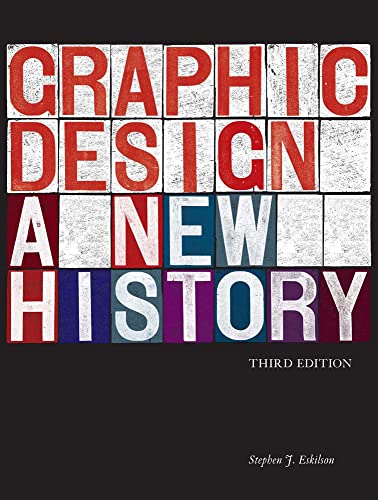
Graphic Design by Stephen J. Eskilson traces modernist styles and wartime politicization, then chronicles the Bauhaus, the International Style, and postmodernism alongside contemporary app design, social media, emojis, big data visualization, and animated graphics. Eskilson also addresses citizen designers tackling societal issues.
Book links are Bookshop.org affiliate links. Curiate may earn a commission on purchases, at no extra cost to you — Bookshop.org also gives a share to independent bookshops.
Reading paths, built to arrive somewhere
Curiate turns what you are curious about into a short path — a quick lesson on an article, something to watch, and a book to go deep on. Free to browse.