The history of the Great Depression and financial failures
The history of the Great Depression is the account of a severe global economic downturn from 1929 to 1939, marked by high rates of unemployment and poverty, drastic reductions in industrial production and international trade, and widespread bank and business failures around the world.
2 articles, 1 video, 1 book · about 1 hr 57 min of reading and viewing
The reading path
- Readthe history of the great depression · Wikipedia · 60+ min read
Panic returned in December 1930, with a bank run on the Bank of United States, a former privately run bank bearing no relation to the U.S. government (not to be confused with the Federal Reserve). Unable to pay out to all of its creditors, the bank failed. Gold standard is a system in which currencies are fixed to gold. It was the primary transmission mechanism of the Great Depression: higher interest rates in countries pursuing deflation led to gold outflows from countries with lower interest rates, forcing countries that wanted to maintain the gold standard to reduce their money supply and domestic prices. During a five-day "bank holiday" in 1933, the Emergency Banking Act provided for reopening sound banks under Treasury supervision, with federal loans available if needed. The act was part of New Deal financial reforms intended to stimulate demand and help address the Depression.
- ReadThe Great Depression · federalreservehistory.org · 8 min read
Deflation is a fall in average prices. From the fall of 1930 through the winter of 1933, the money supply fell by nearly 30 percent, and this deflation increased debt burdens, reduced consumption, increased unemployment, and forced banks, firms, and individuals into bankruptcy.
- WatchEconomic Depression and Dictators: Crash Course European History #37 · YouTube · 17 min watch
The economic depression set the stage for militaristic dictatorships in Germany, the Soviet Union, Japan and Spain. The crisis is tied to the political changes that followed.
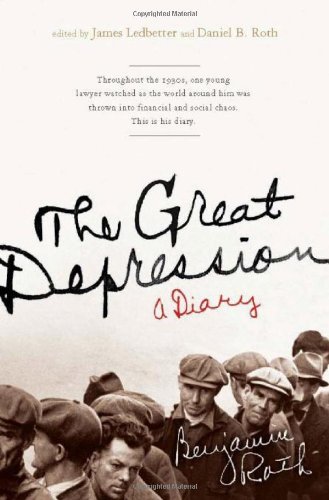
- BookThe Great Depression: A Diary · Bookshop.org
The Great Depression by Benjamin Roth describes how a young lawyer in Youngstown, Ohio, saw prosperity give way to crisis after the 1929 stock market crash, and how he formed theories about how a prudent person might survive hard times.


Book links are Bookshop.org affiliate links. Curiate may earn a commission on purchases, at no extra cost to you — Bookshop.org also gives a share to independent bookshops.
Reading paths, built to arrive somewhere
Curiate turns what you are curious about into a short path — a quick lesson on an article, something to watch, and a book to go deep on. Free to browse.