How geography shapes great-power rivalry in geopolitics
Geopolitics is the study of how Earth's geography affects politics and international relations, using geographical factors to understand and predict international political behavior. These lessons answer how geography shapes great-power rivalry and help readers understand its influence on international relations. They connect strategic geography with changing economic and regional dynamics.
2 articles, 1 video, 1 book · about 57 min of reading and viewing
The reading path
- Readgeopolitics · Wikipedia · 29 min read
In Mackinder's geopolitics, the Heartland essentially comprised Central and Eastern Europe: Ukraine, Western Russia, and Mitteleuropa. In Spykman's geopolitics, the Rimland separates the Heartland from ports usable throughout the year, not frozen up during winter. Spykman suggested preventing Heartland nations, particularly Russia, from conquering Rimland ports. Geopolitical competition now includes critical-material supply chains and the production, processing, and manufacture of clean energy technologies. China became a major producer of solar panels, batteries, and electric vehicles, and a leading processor of many critical minerals.
- ReadGeopolitics Redux: Explaining the Japan-Korea Dispute and Its Implications for Great Power Competition · War on the Rocks · 11 min read
Sea lines of communication are the sea routes essential to trade and commerce. Geopolitics in Northeast Asia reflects how Seoul and Tokyo's geographic positions translate into different geopolitical orientations. China's seaward expansion is changing regional dynamics and could threaten Japan's security because Japan depends on these sea routes.
- WatchGeopolitics of the South China Sea · YouTube · 17 min watch
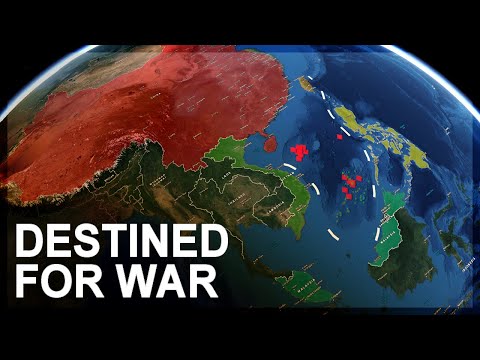
The South China Sea matters for trade, natural gas, fishing grounds and hazards, and its maritime claims overlap. The video's description says China seeks hegemony over the nations bordering the sea.
- BookPrisoners of Geography · Bookshop.org
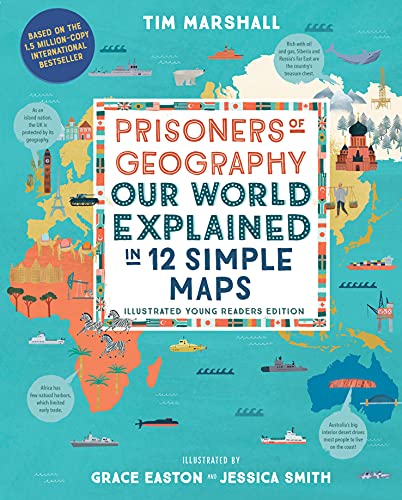
Prisoners of Geography by Tim Marshall follows past and present geopolitics through geography, using global examples to challenge the idea that technology makes geography irrelevant to politics and conflict. Marshall, a British author and journalist, argues that geography is often left out of accounts of conflicts and state development.

Book links are Bookshop.org affiliate links. Curiate may earn a commission on purchases, at no extra cost to you — Bookshop.org also gives a share to independent bookshops.
Reading paths, built to arrive somewhere
Curiate turns what you are curious about into a short path — a quick lesson on an article, something to watch, and a book to go deep on. Free to browse.