The Hobbit: A Map, a Dragon, and an Older World
The Hobbit began with Tolkien scrawling the sentence, "In a hole in the ground there lived a hobbit." What kind of adventure does this book hold, and how do its maps, peoples and older mythology make Middle-earth feel like a world with a past?
3 articles, 1 video, 1 book
The reading path
- ReadJohn D. Rateliff, 'The Hobbit, a cornerstone' - The Tolkien Estate · The Tolkien Estate
Middle-earth is a landscape with its own self-contained history. When Tolkien wrote The Hobbit, he had already been writing works set in what came to be called Middle-earth for fifteen years. He said the book was not intended to connect with his mythology, but naturally became drawn toward it as the tale grew larger and more heroic. References to older events were unnecessary to the plot, but gave it an impression of historical depth. Smaug is the treasure-hoarding dragon in The Hobbit, and Tolkien makes him surpass the earlier threats faced by the heroes. Bilbo travels with a band of dwarves to Smaug's lair in the Lonely Mountain to steal some of his treasure.
- ReadJohn D. Rateliff, 'The Hobbit' - The Tolkien Estate · The Tolkien Estate
The dwarves are Bilbo's companions on the journey, and Tolkien borrowed their names from the Dvergatal, an Old Norse dwarf-list. Many names Bilbo encounters after leaving Bag-End are Sindarin Elvish, including Elrond, Gondolin and Esgaroth. Set beside the dwarves' Old Norse names, these Elvish names create a feeling of a lost world where forgotten cultures lived on.
- ReadLetter to Christopher Bretherton, a reader, 16 July 1964 - The Tolkien Estate · The Tolkien Estate
The Hobbit began as a children's story Tolkien intended for his own children. Its playfully intrusive narrator informs, reminds, teases and reassures readers, helping the book appeal to both young readers and adults. Tolkien later regretted some of its mannerisms, which he said came from the kind of children's stories he had encountered.
- WatchWhy The Hobbit Wasn't Originally In Middle Earth · Ink and Fantasy
Explores Tolkien's original intentions for The Hobbit and its world and how they shifted to incorporate the unpublished Silmarillion mythology with the Lord of the Rings.
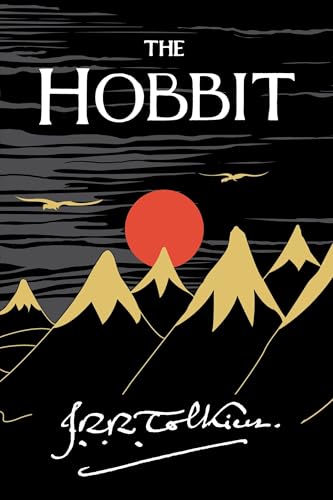
- BookThe Hobbit · Bookshop.org
The Hobbit introduces readers to Middle-earth, "a vastly appealing landscape with its own self-contained history."

Book links are Bookshop.org affiliate links. Curiate may earn a commission on purchases, at no extra cost to you — Bookshop.org also gives a share to independent bookshops.
Reading paths, built to arrive somewhere
Curiate turns what you are curious about into a short path — a quick lesson on an article, something to watch, and a book to go deep on. Free to browse.