The partition of India and its human cost
The partition of India was the 1947 division of British India into the independent dominions of India and Pakistan, set forth in the Indian Independence Act and ending British rule. What can the human cost and memory of Partition help us understand about displacement, violence, and the meaning of home? The lessons consider how these experiences were lived and remembered.
2 articles, 1 video, 1 book · about 2 hr 5 min of reading and viewing
The reading path
- Readthe partition of india · Wikipedia · 60+ min read
In the 1947 partition of India, about 14.5 million people crossed the borders to what they hoped was the relative safety of religious majority, reflecting Partition's human cost. The 1951 Census of Pakistan counted 7,226,600 displaced people in Pakistan, presumably all Muslims who had entered Pakistan from India. The 1947 Partition of India displaced an estimated 12 million people across Punjab: around 6.5 million Muslims moved into West Punjab, and 4.7 million Hindus and Sikhs moved into East Punjab. Virtually no Muslim survived in East Punjab (except in Malerkotla and Nuh), and virtually no Hindu or Sikh survived in West Punjab (except in Rahim Yar Khan and Bahawalpur). The 1947 Partition Archive, a Berkeley, California and Delhi, India-based non-profit organization, began documenting oral histories from people who lived through the partition in 2010. By June 2021, it had preserved nearly 9,700 interviews from 18 countries, releasing them with five university libraries in India and Pakistan.
- ReadTeaching resource: Partition of British India · The National Archives · 12 min read
In a Partition survivor's family, his father kept saying, "let's go home" 23 years after partition, when he became ill, thinking of the home left behind. His mother replied, "we are home," as the family's testimony recalls Partition's human cost and memory.
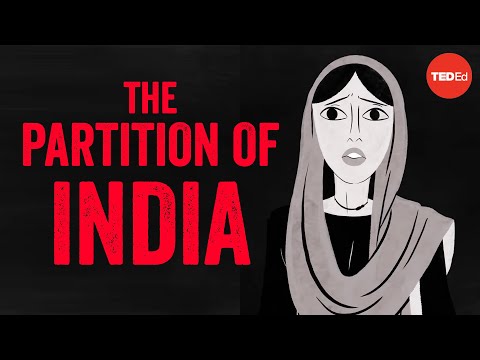
- WatchWhy was India split into two countries? - Haimanti Roy · YouTube · 6 min watch
Haimanti Roy details the 1947 partition of India into India and Pakistan, the mass migrations and violence that followed, and the partition's lasting legacies.
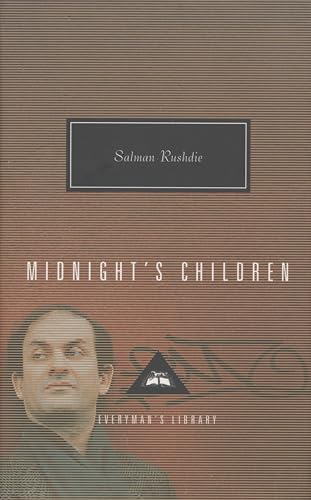
- BookMidnight's Children · Bookshop.org
Midnight's Children by Salman Rushdie is a loose allegory for events in 1947 British Raj India and after Partition; its protagonist, Saleem Sinai, is born at midnight on the day India becomes independent, making him exactly as old as independent India.

Book links are Bookshop.org affiliate links. Curiate may earn a commission on purchases, at no extra cost to you — Bookshop.org also gives a share to independent bookshops.
Reading paths, built to arrive somewhere
Curiate turns what you are curious about into a short path — a quick lesson on an article, something to watch, and a book to go deep on. Free to browse.