The Subversive Power of 1960s Underground Comics
Underground comics emerged in the 1960s as a radical response to mainstream censorship, challenging societal norms through provocative content. These small press publications tackled issues like drug use, sexuality, and violence, often reflecting the counterculture movement of the time. Key figures like Robert Crumb played a pivotal role in shaping this genre, which ultimately influenced the broader comic book landscape. The legacy of these works continues to resonate in contemporary discussions about freedom of expression in art.
- ReadUnderground comix · Wikipedia
Defines underground comix as small press or self-published works that often include socially relevant or satirical content. These comics flourished in the 1960s and 1970s, defying the censorship imposed by the Comics Code Authority.
- ReadZap Comix · Wikipedia
Explores Zap Comix as a seminal series that epitomized the underground comix movement. First published in 1968, it set a precedent for future self-published comics and became a cultural touchstone.
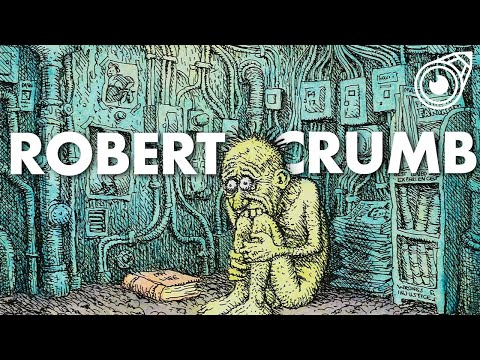
- WatchRobert Crumb | The Birth of Underground Comics · YouTube
Examines Robert Crumb's influential role in the birth of underground comics, showcasing his unique blend of nostalgia and satire. His work, characterized by its critique of contemporary culture, has left an indelible mark on the genre.
- BookComix: A History of Comic Books in America · Bookshop.org
Presents a narrative-driven exploration of comic books in America, focusing on the underground scene's cultural impact. The book chronicles the evolution of comics, emphasizing the significance of the 1960s underground movement.

The selected pieces collectively trace the origins and evolution of underground comics, highlighting their cultural significance during the 1960s. Starting with a foundational overview, the curation progresses through specific examples like Zap Comix, showcasing the movement's key contributors and their impact. Each entry builds on the last, culminating in a comprehensive history that illustrates how these comics subverted societal expectations. The final piece anchors the discussion in a broader narrative, offering a deeper understanding of the underground comic phenomenon.
Book links are Bookshop.org affiliate links. Curiate may earn a commission on purchases, at no extra cost to you — Bookshop.org also gives a share to independent bookshops.
Reading paths, built to arrive somewhere
Curiate turns what you are curious about into a short path — an entry point, something to watch, and the key book on the topic. Free to browse.