What counts as evidence in philosophy of religion
Philosophy of religion is the philosophical examination of the central themes and concepts involved in religious traditions. These lessons consider what counts as evidence for God and help readers understand different ways of thinking about reasons for religious belief. They follow the question through themes of faith, experience, reason, and argument.
2 articles, 1 video, 1 book · about 1 hr 52 min of reading and viewing
The reading path
- Readphilosophy of religion · Wikipedia · 41 min read
In philosophy of religion, Alvin Plantinga and other reformed epistemologists argue that religious beliefs are "properly basic beliefs" and are not irrational even though they are unsupported by evidence. They hold that some beliefs must be foundational rather than based on further rational beliefs. Karl Barth, a Protestant theologian, argued that religious believers have no need to prove their beliefs through reason and rejected natural theology, the view that reason can establish religious truths. According to Barth, human reason is corrupt and God is utterly different from his creatures, so religious knowledge can come only from God's own revelation. Natural theology includes attempts to provide proofs or arguments for God's existence, one aspect of the natural theistic project. This strand attempts to justify belief in God by independent grounds.
- ReadPhilosophy of Religion | Internet Encyclopedia of Philosophy · iep.utm.edu · 60+ min read
Religious realists hold that their beliefs are about what actually exists, independent of the people who hold them. Regarding the claim that religious beliefs lack rational justification, some realists agree, but fideists claim religion is about faith and trust, not evidence.
- WatchReasoning About God | Big Think · YouTube · 9 min watch
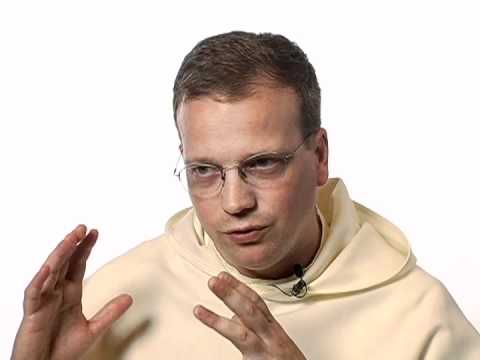
Dominican Friar Fr. Thomas Joseph White discusses the spiritual importance of reason and whether rational approaches to spirituality may lead to doubt.
- BookThe God Delusion · Bookshop.org
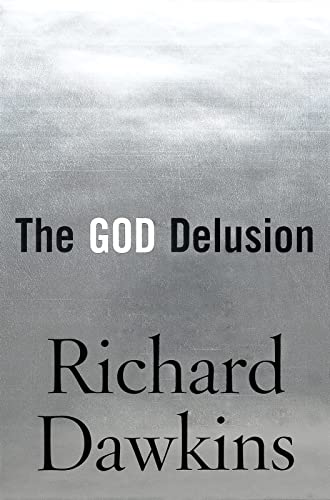
The God Delusion by Richard Dawkins examines God in different forms, criticizes major arguments for religion, and argues that religion fuels war, bigotry and the abuse of children.
Book links are Bookshop.org affiliate links. Curiate may earn a commission on purchases, at no extra cost to you — Bookshop.org also gives a share to independent bookshops.
Reading paths, built to arrive somewhere
Curiate turns what you are curious about into a short path — a quick lesson on an article, something to watch, and a book to go deep on. Free to browse.