The Ethics of Art Restoration and Control of Narrative
Art restoration raises complex ethical questions about authenticity and ownership of narratives. As conservators balance the need for preservation with the risk of altering history, the stakes become even higher with advancements in technology. The journey of restoration is not just about technique; it involves a deep understanding of the cultural significance of each piece. Ultimately, the stories we tell through art are shaped by those who restore it.
- ReadConservation and restoration of cultural property · Wikipedia
Traces the principles of conserving cultural property, emphasizing the importance of preventive conservation and treatment. It identifies key stakeholders, including conservators, curators, and registrars, who play vital roles in safeguarding cultural heritage.
- ReadGraduate Student Develops an A.I.-Based Approach to Restore Time-Damaged Artwork to Its Former Glory · Smithsonian Science
Describes an innovative AI-based method for restoring artwork, significantly reducing the time required for restoration from months to hours. This approach could potentially revive numerous damaged paintings that are currently inaccessible due to budget constraints.
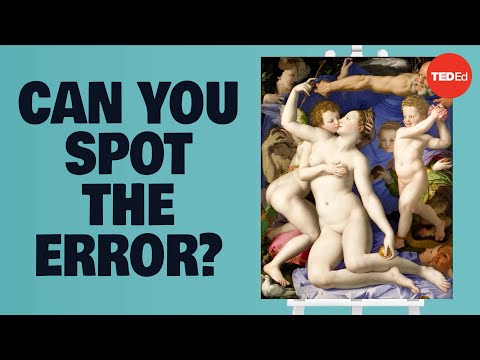
- WatchCan you guess what's wrong with these paintings? - Noah Charney · YouTube
Explains the meticulous process conservators use to repair artworks, focusing on the shift from heavy-handed restoration techniques to a philosophy of minimal intervention. It highlights the challenges posed by previous restorations that may have altered the original works significantly.
- BookThe Last Painting of Sara de Vos · Bookshop.org
Intertwines the lives of an art conservator and a lost painting, exploring themes of authenticity and emotional connections to art. The narrative raises questions about the ownership of stories and the impact of restoration on personal and collective memory.
/https://tf-cmsv2-smithsonianmag-media.s3.amazonaws.com/filer_public/2f/3b/2f3b7258-b842-4a24-81f1-875ac61db905/mit-restoring-paintings-01-press_0.jpg)

This curation begins with an overview of the principles guiding the conservation of cultural property, establishing a foundation for understanding the complexities of art restoration. It then transitions to a cutting-edge approach using AI, illustrating how technology can democratize access to restoration. A TED-Ed video provides insight into the historical context and evolving methodologies in the field, while the final piece—a novel—delves into the personal and emotional narratives intertwined with art and its restoration. Together, these pieces illuminate the multifaceted ethics surrounding art conservation.
Book links are Bookshop.org affiliate links. Curiate may earn a commission on purchases, at no extra cost to you — Bookshop.org also gives a share to independent bookshops.
Reading paths, built to arrive somewhere
Curiate turns what you are curious about into a short path — an entry point, something to watch, and a book worth finishing. Free to browse.