Understanding Art's Price Tag
Art's value often seems disconnected from its intrinsic qualities, leading to questions about what drives high prices in the market. Factors like reputation, scarcity, and cultural significance play crucial roles in determining worth. The exploration of these elements reveals the underlying mechanics of art valuation and the complexities involved in the contemporary art world.
- ReadThe Work of Art in the Age of Mechanical Reproduction · Wikipedia
Traces the impact of mechanical reproduction on the uniqueness of art, arguing that this devaluation alters the cultural significance of artworks. Benjamin posits that art's value is now influenced by political praxis rather than traditional rituals.
- WatchWhy Paintings Sell for Millions | The Hidden Forces Behind Art Prices · YouTube
Examines the complex factors that contribute to the high prices of paintings, revealing how reputation, scarcity, and market dynamics interplay. The documentary features insights from art dealers and collectors, highlighting the role of provenance in value determination.
- BookThe $12 Million Stuffed Shark: The Curious Economics of Contemporary Art · Bookshop.org
Explores the unconventional economics of contemporary art, revealing how value is often artificially constructed and manipulated. Thompson discusses the phenomenon of high-priced artworks, such as Damien Hirst's $12 million shark, as a case study.
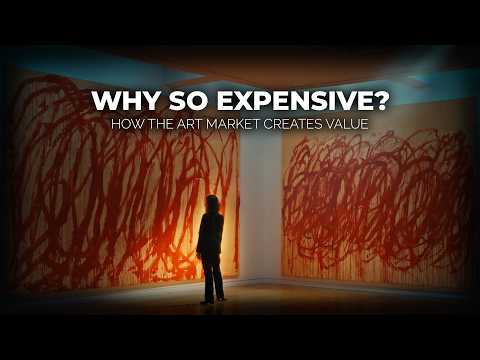

The selected pieces collectively illuminate the multifaceted nature of art valuation, starting with Walter Benjamin's critique of mechanical reproduction and its impact on art's aura. Following this, a documentary provides insights into the market forces shaping art prices, emphasizing the roles of collectors and institutions. Finally, Don Thompson's exploration of contemporary art economics ties together these themes, showcasing how perceived value is constructed and manipulated.
Book links are Bookshop.org affiliate links. Curiate may earn a commission on purchases, at no extra cost to you — Bookshop.org also gives a share to independent bookshops.
Reading paths, built to arrive somewhere
Curiate turns what you are curious about into a short path — an entry point, something to watch, and a book worth finishing. Free to browse.