Ancient Greeks: religion, Homer and the Acropolis
The history of the ancient Greeks concerns Ancient Greece, a civilization of culturally and linguistically related city-states and regions that existed from the Greek Dark Ages of the 12th, 9th centuries BC to c. 600 AD. Scholars mark its beginning with Mycenaean Greece, which declined during the Bronze Age collapse c. 1100 BC.
2 articles, 1 book · about 43 min of reading and viewing
The reading path
- Readthe history of the ancient greeks · Wikipedia · 41 min read
Homer is the earliest Greek poet known, though he was part of an existing tradition of oral poetry. Homer's poetry would have been composed orally, even as the Greeks developed writing. Religion was central to ancient Greek life, but practices were not uniform: Greeks in different cities and tribes worshipped similar gods and thought of them differently. Greek colonies were independent city-states in their own right, unlike Roman colonies, which depended on their mother-city. Greeks founded permanent settlements that formed as independent poleis.
- ReadA Tour of Athens' Acropolis, Explained with 3D Reconstructions · Open Culture · 2 min read
The Acropolis's history includes its use for worship: first built as a Mycenaean fortress in the thirteenth century BC, it later served worshippers of the Virgin Mary and Allah as well as Greek gods. Ancient Greek architecture shaped how visitors experienced the Acropolis: Manuel Bravo emphasizes that appreciating it requires understanding the architects' intentions. The approach up the hill was meant to feel like an ascent from the mundane world into the sacred one.
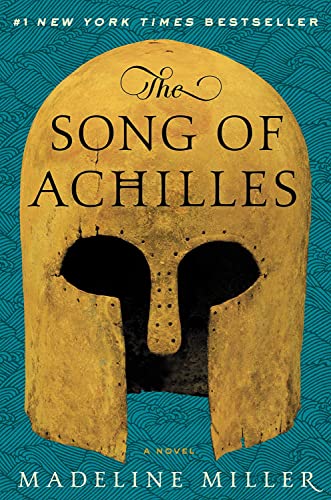
- BookThe Song of Achilles · Bookshop.org
The Song of Achilles by Madeline Miller retells the Trojan War from Patroclus' perspective and describes his relationship with Achilles, from their initial meeting through their exploits during the war, with focus on their romantic relationship.


Book links are Bookshop.org affiliate links. Curiate may earn a commission on purchases, at no extra cost to you — Bookshop.org also gives a share to independent bookshops.
Reading paths, built to arrive somewhere
Curiate turns what you are curious about into a short path — a quick lesson on an article, something to watch, and a book to go deep on. Free to browse.