Buddhism and the path to liberation from suffering
Buddhism teaches a path of cultivation that leads to awakening and liberation from dukkha by attaining nirvana, the "blowing out" of the passions. How can this path explain suffering and lead to its complete release? By the end, readers will understand how ethical conduct, mental training and wisdom work together to address suffering at its roots.
5 articles, 1 book
The reading path
- Readbuddhism · Wikipedia
Buddhist traditions generally share ethics, meditation and wisdom, and the Middle Way guides practice. In Buddha's first sermon, the Noble Eightfold Path was presented as a middle way between asceticism and hedonistic sense pleasures. A rebirth in Buddhist thought involves no soul or fixed substance: the doctrine of anattā rejects a permanent self or eternal soul. The quality of rebirth depends on merit or demerit gained through karma, or actions, and on merit or demerit accrued on one's behalf by a family member. Buddhism holds that intent is essential to karmic consequences, and deeds of body, speech or mind can shape future results. These actions may have karmic effects in this life or a subsequent one.
- BookSiddhartha · Bookshop.org
The Four Noble Truths explain why humans hurt and how to overcome suffering; the fourth points to the Eightfold Path. Its eight ideals combine ethical conduct, mental discipline and wisdom, including right speech, right action, right mindfulness and right concentration.
- ReadBuddhism: Symbols, Founder, Beliefs & Religion | HISTORY · HISTORY
Shakyamuni was still unhappy despite palace luxuries and a princess wife, and the Four Sights of old age, sickness, death, and a seeker of religious truth led him to ask why people suffered and how to relieve it. After six years of hardship, he realized neither luxury nor starvation led to enlightenment; at Bodh Gaya, he became awakened to a true understanding of life.
- ReadIntroduction to Buddhism · spice.fsi.stanford.edu
The Buddha's analysis, as the texts claim to convey his teachings, links ignorance about suffering, impermanence and non-self, the lack of a permanent self, to identifying parts of experience as "I" and "mine," which leads to desire, aversion and strengthened ignorance. It seems safe to say that release is said to lie in realizing these truths through training including meditation and philosophical reasoning; later traditions debate whether insight alone, meditation alone, or both achieve release.
- ReadBuddha (Stanford Encyclopedia of Philosophy) · plato.stanford.edu
The passage proposes a test for a path to liberation: it must describe suffering fully and accurately, identify its causes correctly, and offer a way to eradicate them. It argues that treating symptoms is not enough: like cosmetic surgery for a fatal disease, relief that leaves suffering's causes intact cannot end suffering completely and finally.
- ReadThe Noble Eightfold Path: The Way to the End of Suffering · accesstoinsight.org
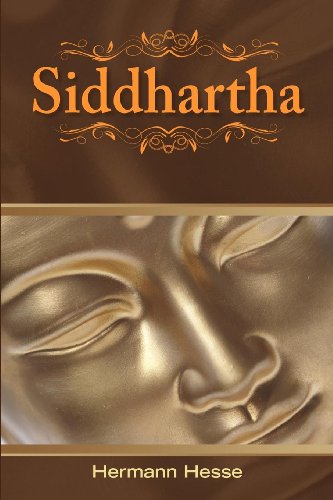
Siddhartha by Hermann Hesse follows a man's spiritual journey of self-discovery during the time of the Buddha; the contrast shows Siddhartha pursuing his goal outside the order.


Book links are Bookshop.org affiliate links. Curiate may earn a commission on purchases, at no extra cost to you — Bookshop.org also gives a share to independent bookshops.
Reading paths, built to arrive somewhere
Curiate turns what you are curious about into a short path — a quick lesson on an article, something to watch, and a book to go deep on. Free to browse.