The Enlightenment's faith in self-directed thought
When the 1755 Lisbon earthquake struck, churches collapsed while brothels in Lisbon's Alfama district largely stayed standing. Why did this disaster, on the Christian Feast of All Saints, lead many thinkers to doubt that suffering serves a greater cosmic good? Optimism here means the belief that what humans see as evil is needed for a benevolent cosmic plan. In Voltaire's Candide, readers meet a savage satire of philosophical optimism, which proclaims that disaster and human suffering are part of a benevolent cosmic plan.
3 articles, 1 book
The reading path
- BookCandide · Bookshop.org
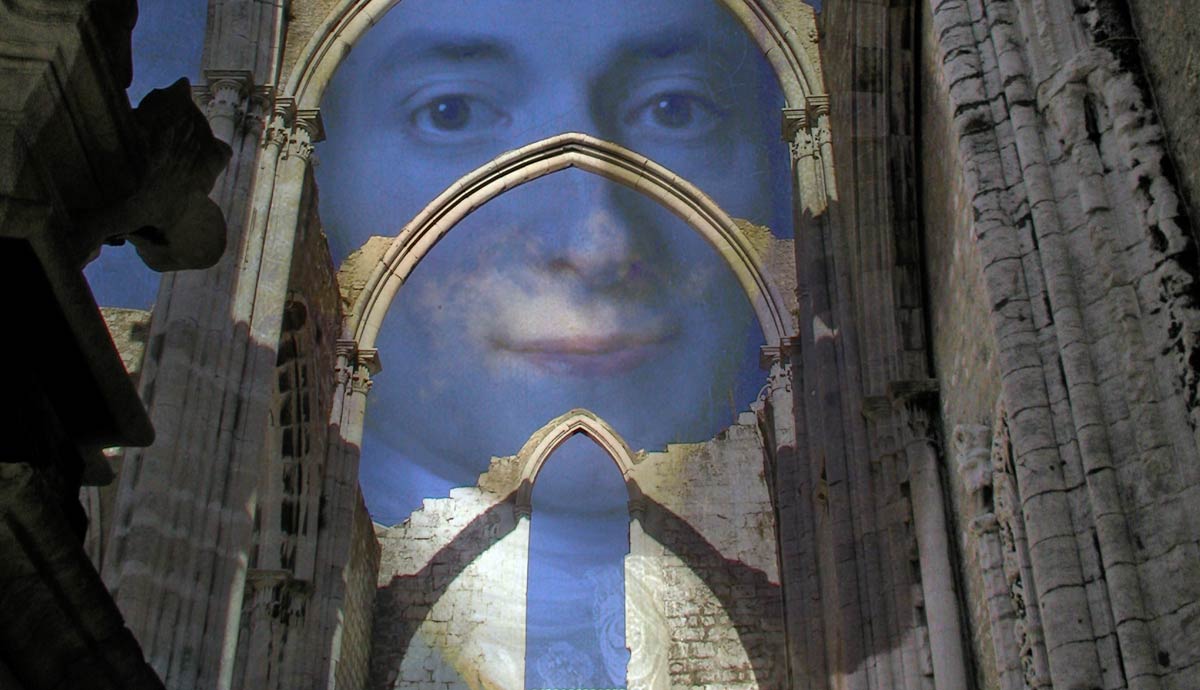
The 1755 Lisbon earthquake, an earthquake in the Iberian Peninsula and Northwest Africa area, struck on the Christian Feast of All Saints at approximately 09:40 local time. In combination with subsequent fires and a tsunami, the earthquake almost completely destroyed Lisbon and adjoining areas, and was widely discussed by European Enlightenment philosophers.
- Read1755 Lisbon earthquake · Wikipedia
Churches collapsed while the city's brothels in the Alfama district largely remained standing because of their more stable, rocky ground, making the "best of all possible worlds" argument seem increasingly absurd. Optimism held that what humans perceived as evil was a necessity for a greater, cosmic good that humans lacked the perspective to understand.
- ReadWhat Were the Philosophical Aftershocks of the Devastating 1755 Lisbon Earthquake? | TheCollector · TheCollector
Voltaire, a French writer, focused as a meliorist on human-made miseries that moral progress, especially as encouraged by satire, could eradicate or ease, despite his grief over earthquakes, plague, and sexually transmitted diseases. In Candide, a tale by Voltaire, he indicted aristocratic privileges and abuses, religious persecution, monarchical tyranny, and slavery.
- ReadVoltaire Satirizes Optimism in Candide · EBSCO Research Starters
Candide by Voltaire is a witty, bantering tale and a savage, satiric thrust at philosophical optimism, which proclaims that disaster and human suffering are part of a benevolent cosmic plan.



Book links are Bookshop.org affiliate links. Curiate may earn a commission on purchases, at no extra cost to you — Bookshop.org also gives a share to independent bookshops.
Reading paths, built to arrive somewhere
Curiate turns what you are curious about into a short path — a quick lesson on an article, something to watch, and a book to go deep on. Free to browse.