Modern philosophy, existence, and intellectual labels
Modern philosophy is philosophy developed in the modern era and associated with modernity, not a specific doctrine or school, with its boundaries roughly spanning the 17th to early 20th centuries. How do philosophical approaches frame human existence and group ideas? By the end, readers will understand how philosophical categories can guide inquiry while remaining open to revision.
2 articles, 1 book
The reading path
- Readmodern philosophy · Wikipedia
Rationalism is a label for ideas and thinkers with important commitments in common. The note takes an instrumentalist approach: use the label only insofar as it is helpful, while recognizing that it may be descriptively inaccurate; it might be reconsidered as historians bring historically under-represented figures into the canon.
- ReadEarly Modern Rationalism (Stanford Encyclopedia of Philosophy) · plato.stanford.edu
Existentialism is generally considered a movement that starts philosophical thinking with the individual and the individual's experiences. Existentialists hold that moral and scientific thinking together do not suffice to understand human existence, so further categories governed by authenticity are necessary.
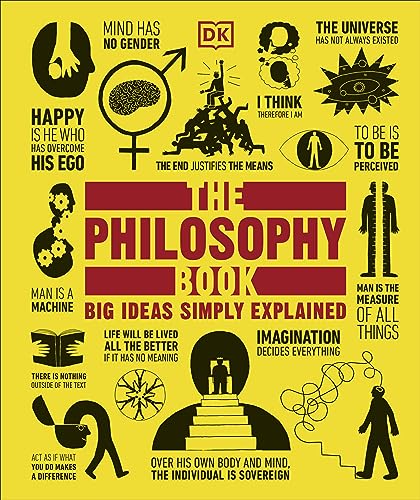
- BookThe Philosophy Book: Big Ideas Simply Explained · Bookshop.org
The Philosophy Book: Big Ideas Simply Explained by DK presents short biographies of over a hundred philosophers, explains their profound questions in simple terms, and uses visual guides to show how ideas progress.
Book links are Bookshop.org affiliate links. Curiate may earn a commission on purchases, at no extra cost to you — Bookshop.org also gives a share to independent bookshops.
Reading paths, built to arrive somewhere
Curiate turns what you are curious about into a short path — a quick lesson on an article, something to watch, and a book to go deep on. Free to browse.