Catholicism, authority and change
Catholicism is the Catholic Church, the largest Christian church, with an estimated 1.28 to 1.41 billion baptized members worldwide as of 2026. How does Catholic authority respond to changing political, social and religious contexts? By the end, readers will understand how the church negotiates continuity and adaptation through governance, tradition and evolving expectations.
3 articles, 1 book
The reading path
- Readcatholicism · Wikipedia
Elizabeth Ann Seton, a Catholic convert who developed early Catholic school education in the United States, faced a canonization process that required evidence of "heroic holiness," including miraculous healings, and often favored European saints closer to the Vatican worldview. The U.S. bishops took up her cause in 1907, and the Sisters of Charity's resources helped sustain it; by her canonization in 1975, much of the social context behind her cause had changed.
- ReadHow Anti-Catholicism Created an American Saint - JSTOR Daily · JSTOR Daily
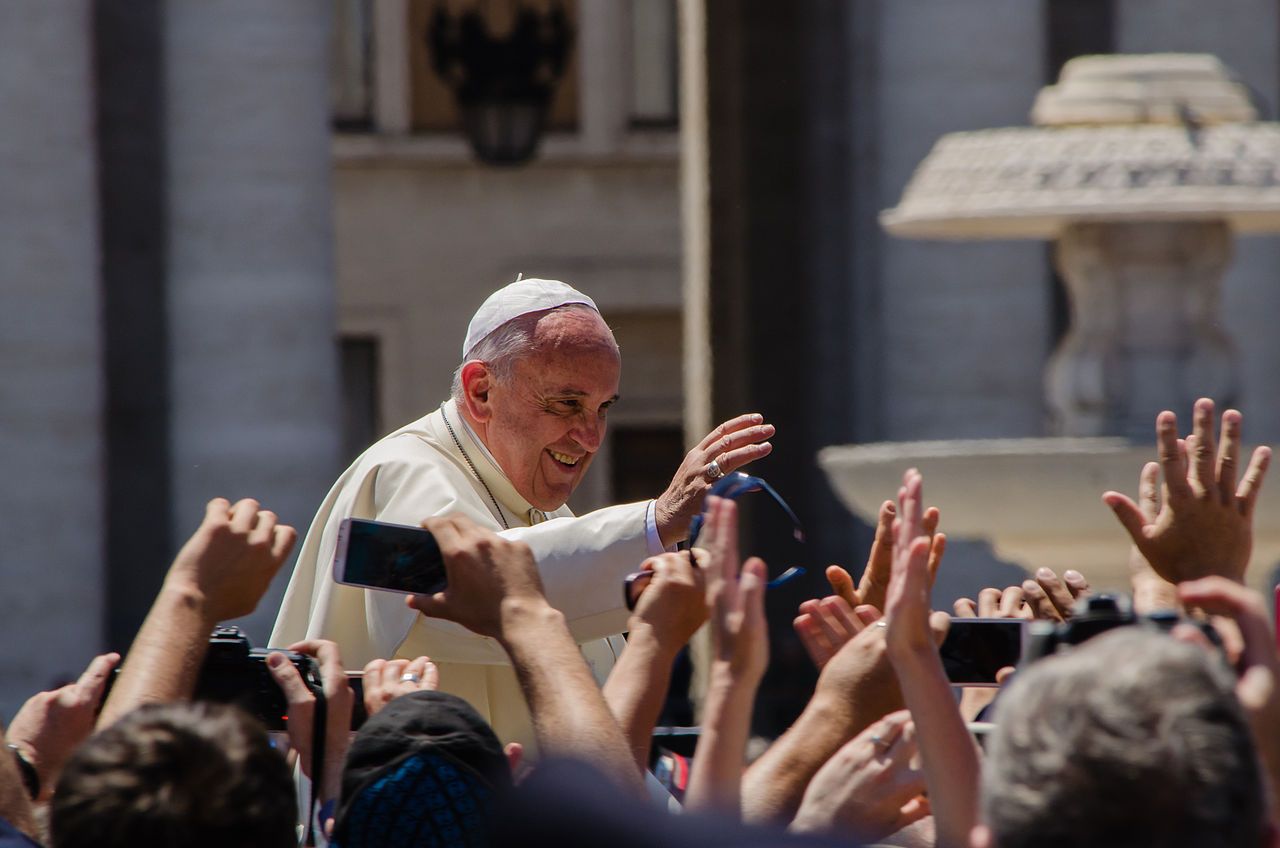
Francis approved blessings for same-sex couples while upholding the church's ban on gay marriage, and advocated for women to assume leadership roles while stopping short of allowing them to be ordained as deacons. New Yorker writer Paul Elie wrote in 2023 that Francis' openness to revisiting and revising church teachings, and to the disagreements this prompted, may be the most consequential development of his pontificate and set him apart from his predecessors.
- ReadFive Ways Pope Francis, Religious Leader Who Pushed to Modernize the Catholic Church, Was a Man of Firsts · Smithsonian Science
The patronato system allowed state authorities, not the Vatican, to control all clerical appointments in new colonies. The Council of Trent (1545 to 1563) became the driving force behind the Counter-Reformation in response to the Protestant movement and reaffirmed Catholic teachings; Catholicism later spread widely across the world, in part through missionaries and imperialism.
- BookThe God Who Is There · Bookshop.org
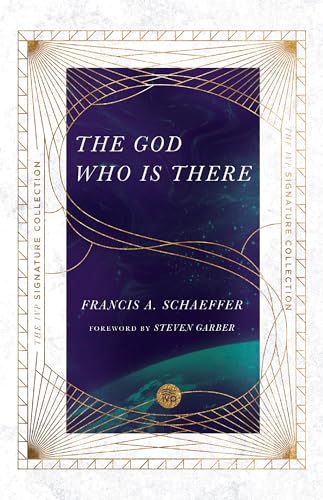
The God Who Is There is a Christian apologetic work written by American philosopher and Christian theologian Francis A. Schaeffer, published in 1968. It is Book One in Volume One of The Complete Works of Francis A. Schaeffer A Christian Worldview, and is the first book of Francis Schaeffer's "Trilogy.


Book links are Bookshop.org affiliate links. Curiate may earn a commission on purchases, at no extra cost to you — Bookshop.org also gives a share to independent bookshops.
Reading paths, built to arrive somewhere
Curiate turns what you are curious about into a short path — a quick lesson on an article, something to watch, and a book to go deep on. Free to browse.