Charlotte Brontë's life and the writing of Jane Eyre
Charlotte Brontë was an English novelist and poet, best known for Jane Eyre, which she published in 1847 after her first novel, The Professor, was rejected by publishers. How did her life experiences shape Jane Eyre? Readers will understand how personal experience, imagination, and conviction can be transformed into fiction.
3 articles, 1 book
The reading path
- ReadCharlotte Brontë's life and the writing of Jane Eyre · Wikipedia
After an outbreak of typhus in 1825, Charlotte's two elder sisters fell ill and subsequently died at home. Charlotte later used Cowan Bridge as the model for Lowood School in Jane Eyre, where poor conditions similarly exacerbated outbreaks of tuberculosis and typhus; she also represented Cowan Bridge headmaster Reverend William Carus Wilson as Mr Brocklehurst. Lonely and unhappy in her teaching post, Charlotte escaped into poems set in Angria, often featuring Byronic heroes. At the end of 1839, she wrote Farewell to Angria, exploring her growing dependency on the fantasy world; fearing for her sanity and feeling she was losing her grip on reality, she decided to set it aside, describing the pain of leaving her "friends" for "lands unknown." Jane Eyre follows Jane from her troubled childhood and unhappy schooldays to a new post as a governess in a secluded Yorkshire mansion, where she falls in love with her employer, Mr Rochester, who hides his first wife in the attic. Charlotte believed art was most convincing when based on personal experience, and transformed her experience into novel form; the book broke new ground with its first-person female perspective.
- ReadSorry, but Jane Eyre Isn't the Romance You Want It to Be - JSTOR Daily · JSTOR Daily
Charlotte Brontë turned down a proposal at 23 because she wrote that she lacked the "intense attachment" she believed marriage required. Constantin Héger, the married headmaster of the school where Brontë studied, encouraged her to write and speak her mind; Jane refuses Rochester's offer to move with him to France and insists, "I care for myself."
- ReadCharlotte Brontë's 'Jane Eyre' is published | HISTORY · HISTORY
Growing up in a gloomy parsonage, Charlotte Brontë and her siblings made up elaborate stories about fantastical worlds. Later, Charlotte accidentally found some poems Emily had written and discovered all three sisters had secretly been writing verse; they published Poems by Currer, Ellis and Acton Bell under pseudonyms because they believed women writers were judged too softly. Charlotte's Jane Eyre followed in 1847 under the name Currer Bell.
- BookJane Eyre · Bookshop.org
Jane Eyre by Charlotte Brontë tells of Jane's lonely, cruel childhood, the independence and spirit it strengthens, and her search for equality and freedom.


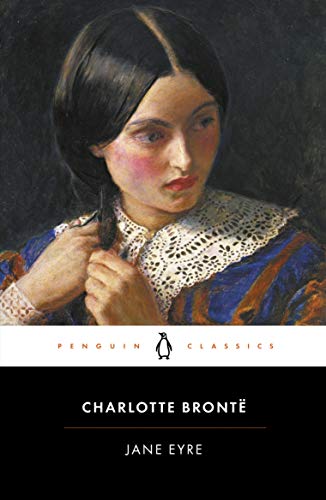
Book links are Bookshop.org affiliate links. Curiate may earn a commission on purchases, at no extra cost to you — Bookshop.org also gives a share to independent bookshops.
Reading paths, built to arrive somewhere
Curiate turns what you are curious about into a short path — a quick lesson on an article, something to watch, and a book to go deep on. Free to browse.