Jane Austen and the making of Pride and Prejudice
Jane Austen's life and the writing of Pride and Prejudice concerns an English writer known primarily for six novels that implicitly interpret, critique, and comment on the English landed gentry at the end of the 18th century. How did a rejected draft become a beloved novel? The lessons show how family life, publishing choices, and Austen's own views shaped the novel's creation and reception.
2 articles, 1 book
The reading path
- ReadJane Austen's life and the writing of Pride and Prejudice · Wikipedia
Austen completed the initial draft of First Impressions in August 1797, aged 21, and it became an "established favourite" with her family. Her father wrote to London publisher Thomas Cadell about publishing it, but Cadell returned George's letter, marking it "Declined by Return of Post"; Jane may not have known of her father's efforts. Commission is an arrangement in which a publisher sells a book and the author receives the profits. Egerton, a publisher, published Austen's revision of First Impressions, Pride and Prejudice, in January 1813, after Austen sold him its copyright for £110; had she published it on commission, she would have made a profit of £475, or twice her father's annual income, linking the revision to her path from rejected draft to beloved novel. Jane Austen grew up in a home where, biographer Park Honan says, people considered and discussed ideas even when they disagreed politically or socially. She read novels, often her own compositions, aloud to her family, and dancing was another part of her social life: her brother Henry later said, "Jane was fond of dancing, and excelled in it."
- ReadJane Austen's 'Pride and Prejudice' Was Initially Rejected by a Publisher. It Later Became One of the World's Most Beloved Novels · Smithsonian Magazine
On February 4, 1813, Austen called Pride and Prejudice "too light and bright and sparkling," yet the novel she called her "darling child" remains her most popular and beloved. The contrast shows how a book she worried needed more "shade" became a lasting favorite.
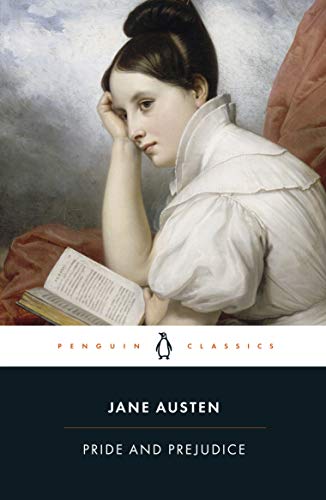
- BookPride and Prejudice · Bookshop.org
Pride and Prejudice by Jane Austen follows the romantic clash between opinionated Elizabeth and proud Mr. Darcy, using civilized sparring and wit to render flirtation and intrigue. Its comedy of manners lets readers consider Austen's writing through the characters and their social interactions.

Book links are Bookshop.org affiliate links. Curiate may earn a commission on purchases, at no extra cost to you — Bookshop.org also gives a share to independent bookshops.
Reading paths, built to arrive somewhere
Curiate turns what you are curious about into a short path — a quick lesson on an article, something to watch, and a book to go deep on. Free to browse.