Childhood in the foster care system
Orphan train children were often expected to work on farms in exchange for a home. How did selection and labor shape what home meant for children placed with families? Childhood in the foster care system is a period when a minor is placed in a group home, a state-certified caregiver's private home, or with a state-approved family member; foster care is correlated with a range of negative outcomes compared to the general population.
3 articles, 1 book
The reading path
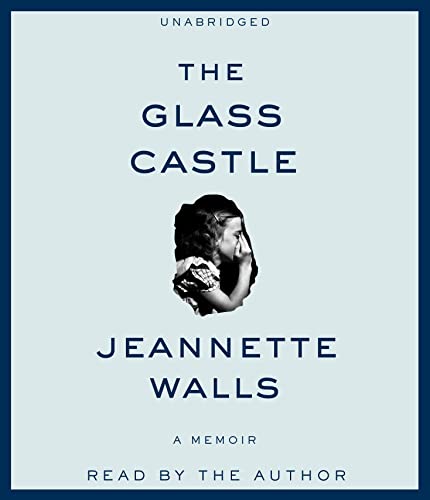
- BookThe Glass Castle · Bookshop.org
The Orphan Train Movement relocated about 200,000 children between 1854 and 1929. Its co-founders claimed the children were orphaned, abandoned, abused, or homeless, but this was not always true; they were mostly children of new immigrants and poor and destitute families, linking foster care to the meaning of home.
- ReadOrphan train · Wikipedia
Orphan train organizers usually paired groups of children with adult chaperones who took them to public gatherings, where potential adoptive parents often selected children. Children were expected to work on the farm in exchange for a home, linking placement with the meaning of home.
- ReadOrphan Trains and the Children's Aid Society · History.com
Charles Loring Brace, an American philanthropist who contributed to social reform and founder of the Childrens Aid Society, came up with placing needy children with families in the West rather than in orphanages. Brace felt orphanages were overcrowded and gloomy and did not teach children to become productive, functioning adults who could take care of themselves, and believed a strong family life could help these children.
- ReadOrphan Trains (1854-1929) · VCU Social Welfare History Project
The Glass Castle by Jeannette Walls recounts a nomadic upbringing shaped by family instability and describes resilience, family love, and a unique perspective on life. Walls's personal account shows how childhood instability can shape a life of one's own.


Book links are Bookshop.org affiliate links. Curiate may earn a commission on purchases, at no extra cost to you — Bookshop.org also gives a share to independent bookshops.
Reading paths, built to arrive somewhere
Curiate turns what you are curious about into a short path — a quick lesson on an article, something to watch, and a book to go deep on. Free to browse.