Consumer behavior and the limits of rational choice
Consumer behavior is the study of individuals, groups, or organisations and activities associated with purchasing, using, and disposing of goods and services. Why do buying choices defy rational models? The lessons show how consideration sets, choice overload, experience, and expectations shape decisions, helping readers understand why consumer choices adapt to context rather than follow fully explicit calculations.
2 articles, 1 book
The reading path
- Readconsumer behavior · Wikipedia
A consumer's evoked set is typically a very small set of some 3- 5 alternatives. Awareness of a brand does not necessarily mean it is being considered for purchase, and, by implication, more memorable brand names are more likely to be accessible. With 24 gourmet jams on display, 60% of consumers stopped and looked, but only 3% bought; with 6 jams, 30% bought something. The findings suggest that choosing can be painful: consumers appreciate some choice, but too many alternatives can cause choice fatigue, so retailers must find a balance between variety and overwhelm.
- ReadFrontiers | The Consumer Contextual Decision-Making Model · Frontiers
A typical department store has over 100,000 products, more information than a consumer can access. The CCDMM argues that consumers do not simply compare objective features: their brains use experience and expectations to focus on meaningful information and promote useful behavior, making choices adaptive to context rather than fully explicit calculations.
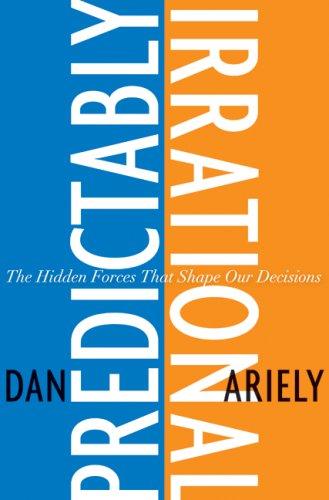
- BookPredictably Irrational · Bookshop.org
Predictably Irrational by Dan Ariely argues that misguided behaviors follow systematic patterns of thought rather than being random or senseless, and explains how to break through those patterns to make better decisions, including when buying a car.


Book links are Bookshop.org affiliate links. Curiate may earn a commission on purchases, at no extra cost to you — Bookshop.org also gives a share to independent bookshops.
Reading paths, built to arrive somewhere
Curiate turns what you are curious about into a short path — a quick lesson on an article, something to watch, and a book to go deep on. Free to browse.