Corporate governance and corporate accountability
Corporate governance is how a company's board, managers, shareholders, and stakeholders control and operate it, distribute power and responsibilities, make decisions, and monitor performance. What makes corporate power accountable, and how are responsibilities and interests balanced within a company? The lessons build an understanding of the structures, relationships, and safeguards that shape accountability.
2 articles, 1 video, 1 book · about 2 hr 17 min of reading and viewing
The reading path
- Readcorporate governance · Wikipedia · 50 min read
Corporate governance in some continental European countries uses a two-tiered board system. Germany's co-determination, established under the German Codetermination Act of 1976, grants workers board seats as stakeholders, separate from those allocated to shareholder equity. The Netherlands adopted a Corporate Governance Code in 2016, updated twice since. In the latest version (2022), the Executive Board is responsible for the company's continuity and sustainable long-term value creation. The Sarbanes, Oxley Act of 2002 (SOX), enacted after high-profile corporate scandals cost investors billions of dollars, established requirements affecting corporate governance in the US. It also influenced similar laws in many other countries.
- Read"Corporate Governance: The Business Management Principles" · ionos.ca · 4 min read
Corporate governance focuses on relationships, aiming to create transparency and trust between shareholders and business management, and for investors and the capital market. Compliance, from the company's perspective, focuses on measures required to comply with provisions for organized and successful business management.
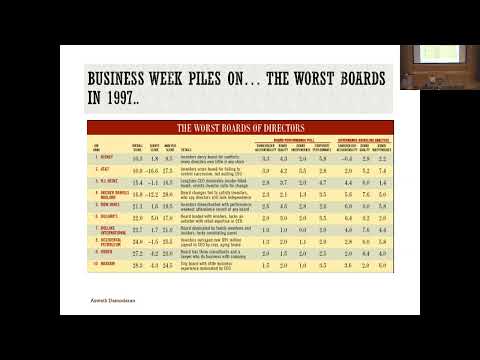
- WatchSession 3: Corporate Governance - Power abhors a vacuum! · YouTube · 1 hr 23 min watch
The session examines where power lies in a company, including among shareholders, managers, governments, lenders and employees, and discusses bondholder protections, market inefficiencies and short termism. Assessing this power structure is central to corporate governance because it helps explain how companies make decisions.
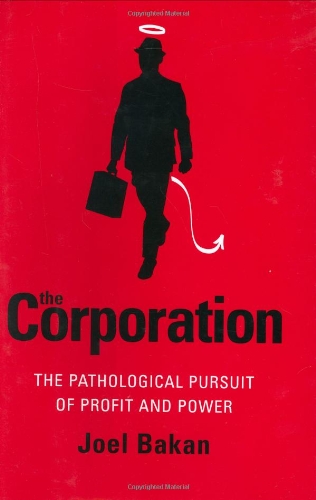
- BookThe Corporation: The Pathological Pursuit of Profit and Power · Bookshop.org
Through vignettes and interviews, The Corporation examines and criticizes corporate business practices. The film attempts to compare how corporations are systematically compelled to behave with what it claims are the DSM-IV's symptoms of psychopathy.

Book links are Bookshop.org affiliate links. Curiate may earn a commission on purchases, at no extra cost to you — Bookshop.org also gives a share to independent bookshops.
Reading paths, built to arrive somewhere
Curiate turns what you are curious about into a short path — a quick lesson on an article, something to watch, and a book to go deep on. Free to browse.