Detroit's urban gardens can improve social networks
The urban gardening movement in Detroit is urban agriculture: cultivating, processing, and distributing food in urban areas, sometimes involving organic growers, "foodies," and "locavores" who form social networks around nature and community.
2 articles, 1 book · about 54 min of reading and viewing
The reading path
- Readthe urban gardening movement in detroit · Wikipedia · 48 min read
In 1894, Mayor Hazen S. Pingree called on outlying citizens of depression-struck Detroit to lend their properties to the city government, which developed the lots as makeshift potato gardens. He intended the gardens to produce income and food supply, and to boost independence during times of hardship. Detroit's Garden Resource Program Collaborative organizes cluster tool banks, with different areas of the city sharing and distributing tools, compost, mulch, tomato stakes, seeds, and education to gardeners in each cluster. As Detroit's vacant-lot revitalization movement spread across the nation, a key approach to urban agriculture was establishing school gardens, which connected youth to nature and growing food. Without designated spaces for exposure to nature, urban youth are less likely to value the natural environment meaningfully or express environmentally responsible behaviors.
- ReadAuthor and Board Member Joseph Cialdella talks to Michigan Humanities about his new book Motor City Green - Michigan Humanities · Michigan Humanities - Bringing people together through stories, histories, cultures, and conversations. · 6 min read
Long-time residents, many of them African Americans, shaped Detroit's urban gardening movement through their work creating gardens. These gardens contributed to residents' sense of place and challenged the misperception that Detroit is an abandoned city.
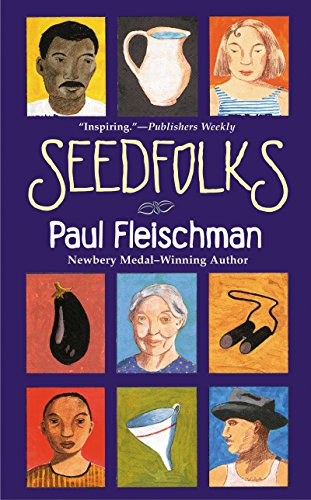
- BookSeedfolks · Bookshop.org
Seedfolks by Paul Fleischman describes Gonzalo, a Guatemalan teenager, and his uncle, Tio Juan, adding to a garden; Tio Juan, a farmer in Guatemala, finds a place he feels comfortable and helps others with their gardens despite not speaking English.

Book links are Bookshop.org affiliate links. Curiate may earn a commission on purchases, at no extra cost to you — Bookshop.org also gives a share to independent bookshops.
Reading paths, built to arrive somewhere
Curiate turns what you are curious about into a short path — a quick lesson on an article, something to watch, and a book to go deep on. Free to browse.