How the golden age of Motown in Detroit crossed over
The golden age of Motown in Detroit began with Berry Gordy's interest in the record business, leading him to write songs for Jackie Wilson with Gwen Gordy and Billy Davis, whose first major hit was released in 1957. What helped Motown's music cross audience boundaries, and how did that appeal connect with integration?
2 articles, 1 book · about 39 min of reading and viewing
The reading path
- Readthe golden age of motown in detroit · Wikipedia · 36 min read
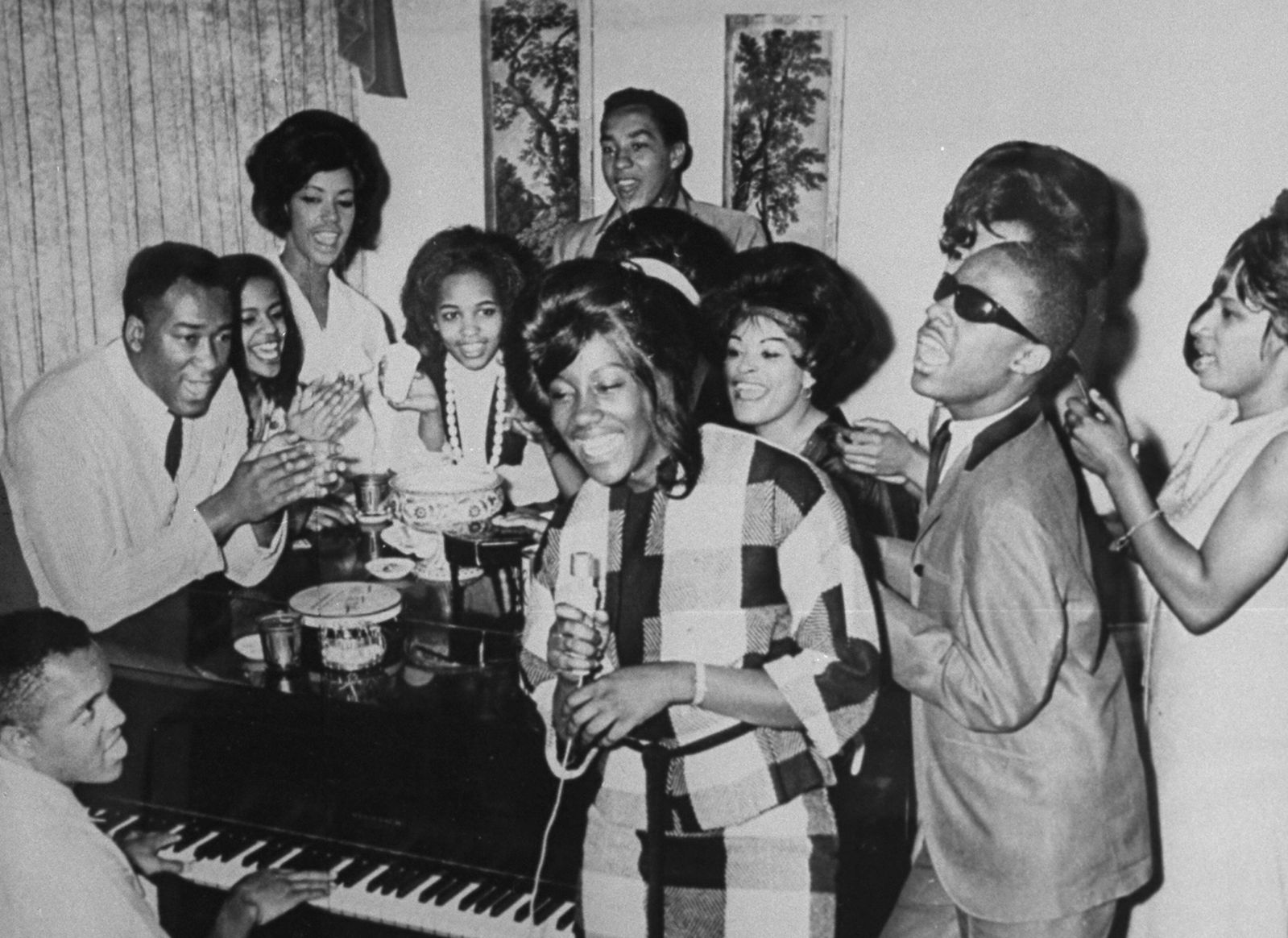
Smokey Robinson recalled that when he came to the South in the early days of Motown, audiences would be segregated. He said that after they started getting Motown music, audiences would be integrated, with kids dancing together and holding hands. Motown acts were fastidiously groomed, dressed and choreographed for live performances. For many talented young artists raised in housing projects who lacked social and dress experience, artist development created an elegant style of presentation long associated with the label. Motown specialized in soul music it referred to with the trademark "The Motown sound." Crafted for pop appeal, it typically featured tambourines accenting the back beat, prominent and often melodic electric bass guitar lines, distinctive melodic and chord structures, and gospel-originated call-and-response singing.
- ReadMotown Records, Founded on This Day in 1959, Broke Racial Barriers in Pop Music With Its Beloved Hits · Smithsonian Magazine · 3 min read
Fortune magazine credited Gordy's financial success to attracting talented Black artists and recognizing tunes, lyrics and audio effects that would appeal to Black and white listeners alike. Gordy needed to appeal to the majority-Black R&B market and the broader, majority-white "pop" audience, where R&B tunes often only reached white listeners through covers by white artists.
- BookMotown: The Sound of Young America · Bookshop.org
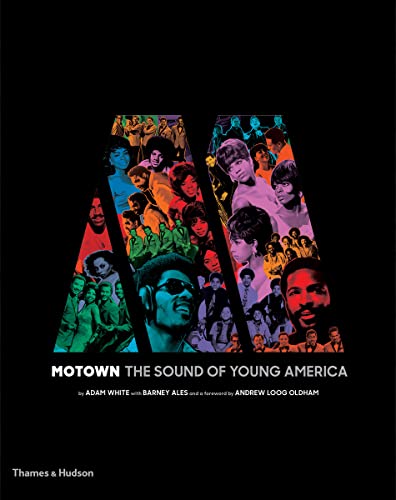
Motown is a visual history of Motown Records, the Detroit-based independent record company, featuring specially commissioned photography of treasures from its archives and capturing its graphic and design iconography. The book details how a dedicated team turned a small family business into a popular music powerhouse.
Book links are Bookshop.org affiliate links. Curiate may earn a commission on purchases, at no extra cost to you — Bookshop.org also gives a share to independent bookshops.
Reading paths, built to arrive somewhere
Curiate turns what you are curious about into a short path — a quick lesson on an article, something to watch, and a book to go deep on. Free to browse.