Can Movement Enhance Learning Outcomes
Research increasingly shows that physical activity plays a crucial role in cognitive enhancement and educational outcomes. Exercise not only benefits physical health but also positively impacts mental health, mood, and cognitive function. Understanding the connection between movement and learning can help shape educational practices and promote healthier lifestyles among students.
- ReadExercise · Wikipedia
Defines exercise as physical activity aimed at enhancing fitness and health while also emphasizing its mental health benefits and social aspects.
- ReadRequired fitness courses prioritize college student health · Inside Higher Ed
Documents Spelman College's introduction of required fitness courses in 2015, which fostered a healthier campus culture and improved student well-being.
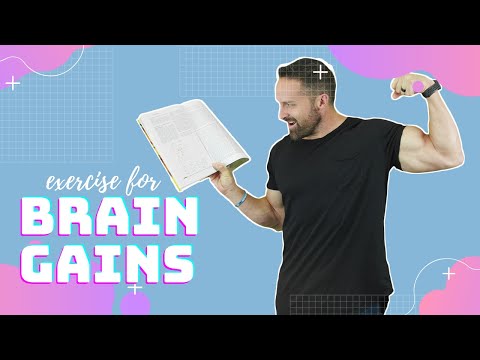
- WatchExercise for Brain GAINZ · YouTube
Explores the cognitive benefits of exercise, revealing that various forms of physical activity can significantly reduce symptoms of depression and enhance cognitive function.
- BookSpark: The Revolutionary New Science of Exercise and the Brain · Bookshop.org
Investigates the transformative effects of aerobic exercise on the brain, providing evidence that it can combat stress, improve mood, and enhance memory and cognitive abilities.


The selected pieces collectively illustrate the multifaceted relationship between exercise and cognitive enhancement. They begin with a foundational understanding of exercise, then showcase practical applications in educational settings, and culminate in comprehensive research that highlights the brain's response to physical activity. This progression from general knowledge to specific case studies and research findings provides a thorough exploration of the topic.
Book links are Bookshop.org affiliate links. Curiate may earn a commission on purchases, at no extra cost to you — Bookshop.org also gives a share to independent bookshops.
Reading paths, built to arrive somewhere
Curiate turns what you are curious about into a short path — an entry point, something to watch, and a book worth finishing. Free to browse.