How a Pig Kidney Kept One Man Off Dialysis for 271 Days
Tim Andrews went 271 days without dialysis with a genetically edited pig kidney before receiving a human kidney. What did earlier transplants show, what happened in Andrews's case, and what can one patient's experience tell us?
3 articles, 1 video, 1 book
The reading path
- ReadWill animal-to-human organ transplants overcome their complicated history? · Science News
A kidney transplant can replace dialysis for people whose kidneys have failed, but donor kidneys are scarce. In the United States, around 90,000 of more than 106,000 people waiting for a transplant need a kidney, and many will die before one is available. Dialysis cleans the blood and can keep a person alive while they wait, but it places a "huge burden" on the body.
- ReadPig Kidney Transplant Removed From Patient After a Record-Breaking 271 Days · Smithsonian Magazine
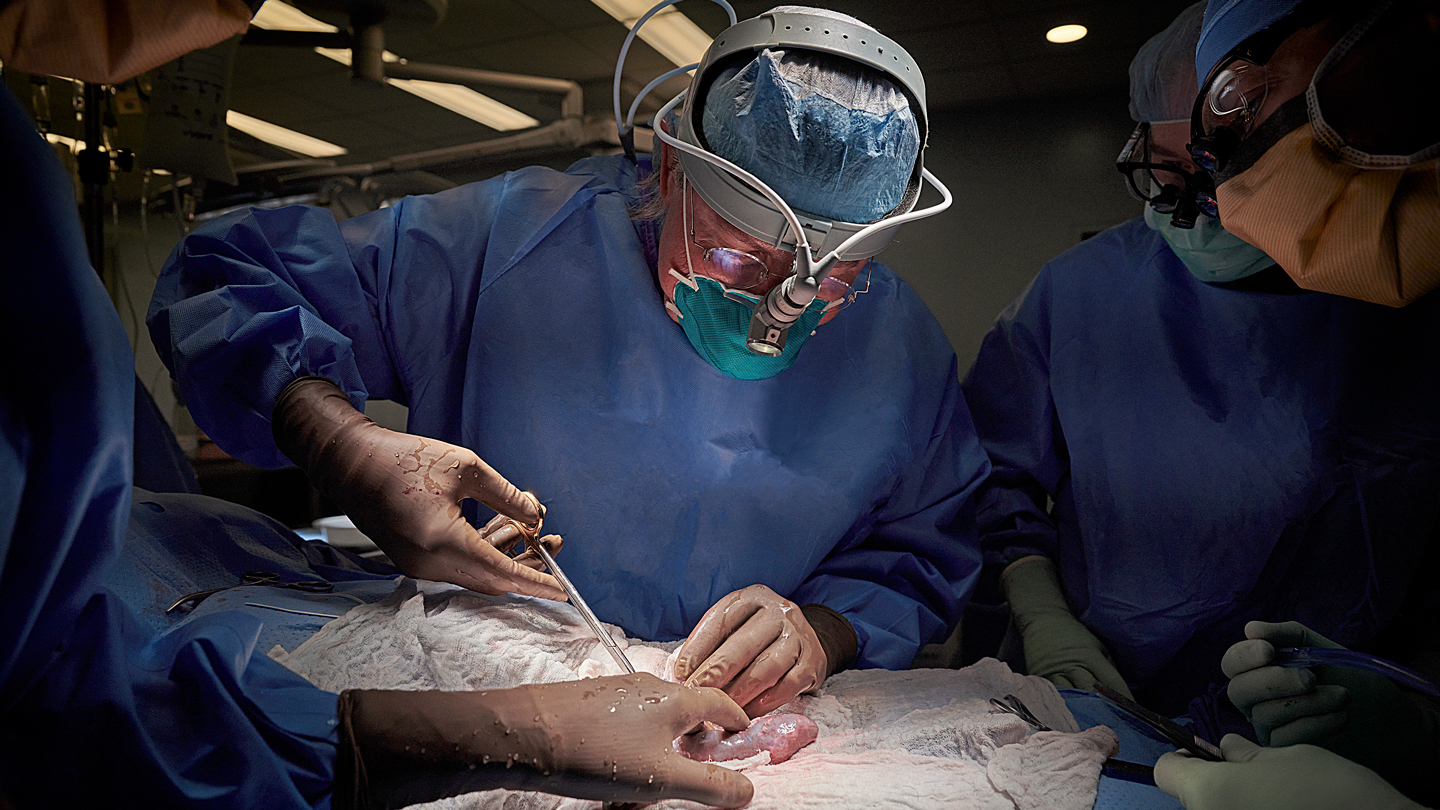
Xenotransplantation means transplanting organs or cells from animals into people. Pigs are used in part because their organs are close in size to human organs. But pig cells carry a sugar called alpha-gal that strongly triggers the human immune system, and pig genetic material contains embedded viral sequences. Researchers use gene editing to make pig organs more compatible with people; Andrews's kidney had 69 genetic edits. Richard Slayman was the first living person to receive a genetically modified pig kidney, in March 2024. He died about two months later from causes unrelated to the transplant. Lisa Pisano's kidney was removed about a month and a half after her transplant because limited blood flow caused it to fail. Towana Looney's kidney was removed after 130 days because her body rejected it.
- ReadHow a pig-kidney xenotransplant served as a successful bridge to human transplant for patient with end-stage kidney disease | Mass General Brigham · news.massgeneralbrigham.org
Tim Andrews was 66 when he received a genetically edited pig kidney in January 2025. He lived with it for 271 days without dialysis before receiving a human kidney from a donor in January 2026. His case was the longest dialysis-free survival after a pig-kidney transplant in a living person and the first transition to a human kidney transplant. Doctors removed the pig kidney on October 23 because its function was declining; Andrews resumed dialysis before his human transplant.
- Watch'Do it for hope': Pig kidney transplant at MGH gives patient new lease on life · WCVB Channel 5 Boston
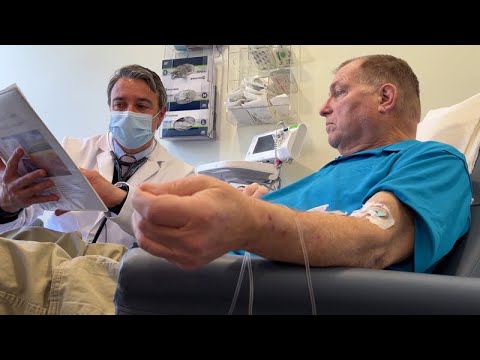
Tim Andrews, the second patient at Massachusetts General Hospital to receive a kidney from a gene-edited pig, describes how the transplant changed his life.
- BookEvery Living Creature: How Xenotransplantation Will Change Our Lives · Bookshop.org
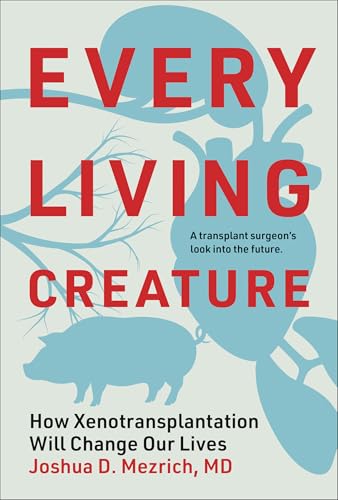
Joshua D. Mezrich's *Every Living Creature: How Xenotransplantation Will Change Our Lives* offers crash courses in genetics and history, and explores the ethics of using animals to grow organs for humans.


Book links are Bookshop.org affiliate links. Curiate may earn a commission on purchases, at no extra cost to you — Bookshop.org also gives a share to independent bookshops.
Reading paths, built to arrive somewhere
Curiate turns what you are curious about into a short path — a quick lesson on an article, something to watch, and a book to go deep on. Free to browse.