How accounting principles shape reported results
Accounting principles are detailed standards that prescribe what accruals must be made, how financial statements are presented, and what additional disclosures are required. The lessons answer how accounting choices shape reported results and help readers understand what financial statements show about an accounting period. They consider how standards, reporting contexts, and the timing of transactions influence those results.
2 articles, 1 book · about 34 min of reading and viewing
The reading path
- Readaccounting principles · Wikipedia · 4 min read
Accounting principles differ by company: some countries apply local principles to regular companies, but listed or large companies must conform to IFRS so statutory reporting is comparable internationally. Accounting standards affect the difficulty of doing business: a lack of transparent standards in some nations has been cited as making business more difficult there. The Asian financial meltdown in the late 1990s has been partially attributed to a lack of detailed accounting standards.
- ReadAccounting Basics: In-Depth Explanation with Examples | AccountingCoach · AccountingCoach.com · 30 min read
Joe's $4,000 for December deliveries is recorded as December revenues, even though clients pay later, because the delivery work took place then. Under the accrual basis, revenues are recorded when earned, shaping the income statement's reported profitability.
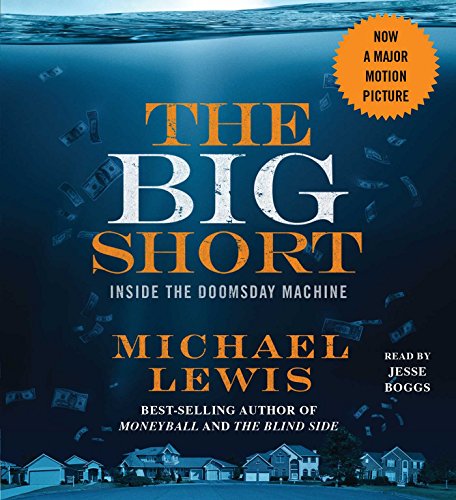
- BookThe Big Short: Inside the Doomsday Machine · Bookshop.org
The Big Short by Michael Lewis tells how four outsiders predicted the credit and housing bubble collapse and describes a silent crash in feeder markets beyond the SEC's reach.
Book links are Bookshop.org affiliate links. Curiate may earn a commission on purchases, at no extra cost to you — Bookshop.org also gives a share to independent bookshops.
Reading paths, built to arrive somewhere
Curiate turns what you are curious about into a short path — a quick lesson on an article, something to watch, and a book to go deep on. Free to browse.