How cryptography principles trace secret writing
Cryptography principles are the practice and study of techniques for secure communication when others may try to interfere, centered on keeping data confidential and intact, confirming identity, and preventing denial of actions. What can the history of secret writing help you understand about how people communicate securely? The lessons trace this long history through methods, practical challenges, and changing ways of concealing messages.
2 articles, 1 video, 1 book · about 1 hr 3 min of reading and viewing
The reading path
- Readcryptography principles · Wikipedia · 47 min read
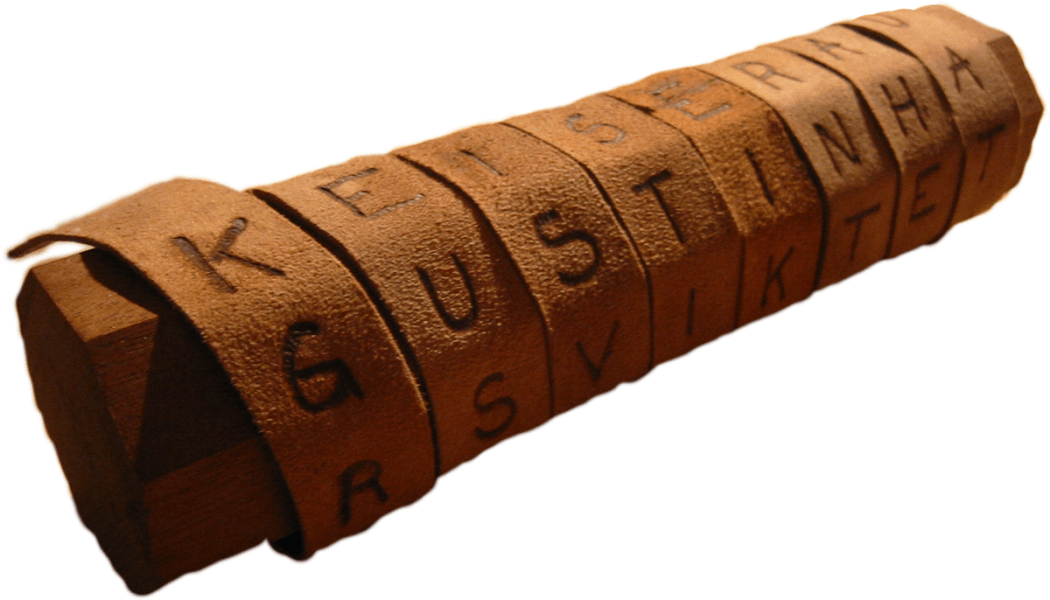
In classical cryptography, substitution ciphers systematically replace letters or groups of letters with others. The Caesar cipher replaced each plaintext letter with one three positions further down the alphabet. In cryptography, a significant disadvantage of symmetric ciphers is the key management necessary to use them securely: each distinct pair of communicating parties must, ideally, share a different key. In cryptography, the term "cryptograph" dates back to the 19th century, originating from Edgar Allan Poe's story "The Gold-Bug".
- ReadTales from the History of Cryptography - JSTOR Daily · JSTOR Daily · 2 min read
Cryptography's history includes Histiaeus's 500 BC plan to signal the revolt of the Greeks against the Persians: he tattooed instructions on his slave's shaved head. After the hair grew back, the slave was sent to tell Aristagoras to "shave my head and read the message there."
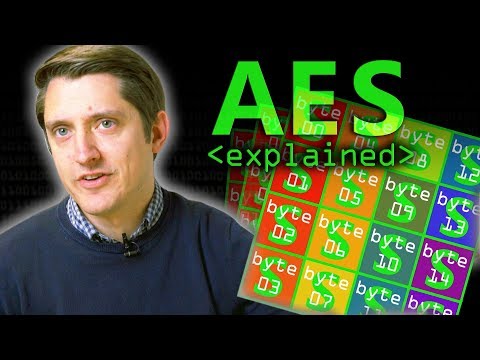
- WatchAES Explained (Advanced Encryption Standard) - Computerphile · YouTube · 14 min watch
Dr Mike Pound explains the Advanced Encryption Standard, a ubiquitous encryption technique. The video covers AES, an encryption standard.
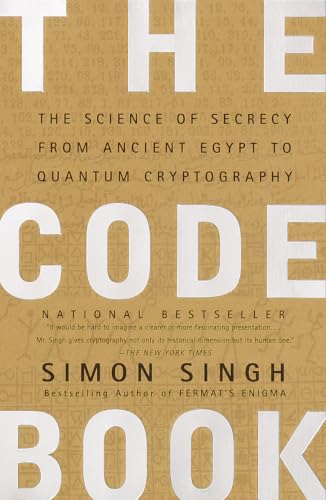
- BookThe Code Book: The Science of Secrecy from Ancient Egypt to Quantum Cryptography · Bookshop.org
The Code Book by Simon Singh describes some illustrative highlights in the history of cryptography, from codes and ciphers to the development of public-key cryptography, and concludes with a discussion of "Pretty Good Privacy" (PGP), quantum computing, and quantum cryptography.

Book links are Bookshop.org affiliate links. Curiate may earn a commission on purchases, at no extra cost to you — Bookshop.org also gives a share to independent bookshops.
Reading paths, built to arrive somewhere
Curiate turns what you are curious about into a short path — a quick lesson on an article, something to watch, and a book to go deep on. Free to browse.