Financial literacy for lasting wealth
Financial literacy is having the skills, knowledge, behavior, and attitude to make informed decisions about money. How can financial knowledge support lasting wealth, and what helps people make better financial choices and manage money? The lessons connect financial understanding with practical decisions, digital services, accounting, and habits that shape financial outcomes.
2 articles, 1 video, 1 book · about 1 hr 7 min of reading and viewing
The reading path
- Readfinancial literacy · Wikipedia · 28 min read
Objective financial literacy has been measured with five 5-item tests, including questions about interest rates, saving accounts and inflation. People who answer three of these questions correctly count as having low financial literacy, while financially sophisticated people understand compound interest, which helps them engage in low-credit borrowing. The OECD's Programme for International Student Assessment (PISA) 2022 financial literacy assessment covered nearly 100,000 15-year-old students in 20 countries and economies. Across OECD participants, 18% performed at or below Level 1, the lowest proficiency level, while 11% were top performers at Level 5. Accounting literacy involves reading and analyzing company or individual financial statements and understanding the impact of financial decisions. It can help investors, managers and individuals.
- Read"US National Strategy for Financial Literacy 2020" · home.treasury.gov · 36 min read
Financial education should aim "not simply to improve knowledge, but rather to improve consumers' financial choices and outcomes." Using best practices can increase consumers' financial skills and enhance their understanding of financial services and products.
- WatchBudgeting and the 50:30:20 rule | Financial mathematics (TX TEKS) | Khan Academy · YouTube · 3 min watch
The 50-30-20 rule is a budgeting guideline: 50% of income for necessities, 30% for discretionary spending and 20% for savings.
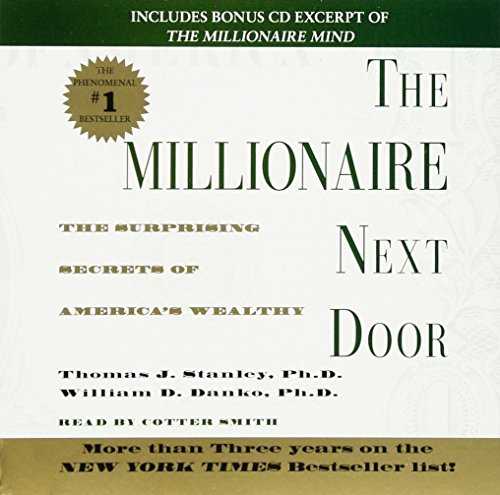
- BookThe Millionaire Next Door · Bookshop.org
The Millionaire Next Door by Thomas J. Stanley presents a story about wealth in America and argues that fortunes are seldom built through inheritance, advanced degrees or intelligence.

Book links are Bookshop.org affiliate links. Curiate may earn a commission on purchases, at no extra cost to you — Bookshop.org also gives a share to independent bookshops.
Reading paths, built to arrive somewhere
Curiate turns what you are curious about into a short path — a quick lesson on an article, something to watch, and a book to go deep on. Free to browse.