How Columbus Day reflects contested legacy
Columbus Day is a holiday intended to celebrate the anniversary of Christopher Columbus's arrival in the Americas, first marked in 1792. The lessons answer why his legacy is contested and help readers understand how the holiday's meaning reflects different perspectives on history. They follow themes of commemoration, Indigenous resistance, and public memory.
2 articles, 1 video, 1 book
The reading path
- ReadColumbus Day · Wikipedia
The following summer, in Davis, California, more than a hundred Native Americans gathered for a follow-up meeting to the Quito conference and declared October 12, 1992, to be "International Day of Solidarity with Indigenous People". The 1990 Quito gathering had brought 350 representatives from indigenous groups across the hemisphere together to mobilize against the Columbus Day celebration planned for 1992. In Peru, Columbus Day was known as Día del descubrimiento de América ("Day of the discovery of America"). Since 2009, it has been celebrated as Día de los pueblos originarios y el diálogo intercultural (Indigenous Peoples and Intercultural Dialogue Day). On October 12, 2004, a crowd of progovernment activists toppled a statue of Christopher Columbus by Rafael de la Cova in Caracas. In 2002, under President Hugo Chávez, the holiday was changed to Día de la Resistencia Indígena (Day of Indigenous Resistance) to commemorate the Indigenous peoples' resistance to European settlement.
- ReadIndigenous Peoples Day: Date, Places & Controversy | HISTORY · HISTORY
On Columbus Day, Indigenous rights advocate and author Leo Killsback says, "Columbus Day is not just a holiday; it represents the violent history of colonization in the Western hemisphere." For Indigenous peoples, that traumatic history played out over centuries.
- WatchHistory vs. Christopher Columbus - Alex Gendler · TED-Ed
Alex Gendler puts Christopher Columbus on the stand, asking whether he was an intrepid explorer who brought two worlds together or a ruthless exploiter who brought colonialism and slavery, and whether he discovered America. The video also mentions that many people in the United States and Latin America have grown up celebrating the anniversary of Columbus's voyage.
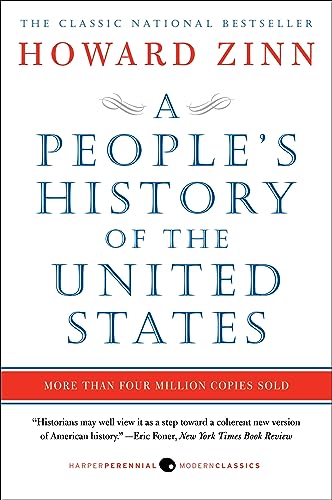
- BookA People's History of the United States · Bookshop.org
A People's History of the United States is a book by Howard Zinn retelling the history of the United States from the eyes of the people living in it. It is known for popularizing the fact that though Christopher Columbus did help Europeans find North America, he also exploited and murdered a large number of the indigenous people living there.


Book links are Bookshop.org affiliate links. Curiate may earn a commission on purchases, at no extra cost to you — Bookshop.org also gives a share to independent bookshops.
Reading paths, built to arrive somewhere
Curiate turns what you are curious about into a short path — a quick lesson on an article, something to watch, and a book to go deep on. Free to browse.