How corn became welfare for processors and snack makers
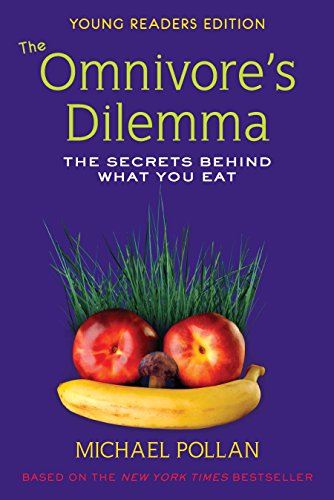
The anthropology of food traces the material and symbolic importance of food and how they intersect, including food as a form of differentiation, commensality, and food's role in industrialization and in globalizing labor and commodity chains. The Omnivore's Dilemma by Michael Pollan describes how a simple question about what to eat poses a dilemma for omnivores, offering a concrete starting point for considering how people relate to food.
3 articles, 1 book
The reading path
- BookThe Omnivore's Dilemma: A Natural History of Four Meals · Bookshop.org
Maize's productivity made it welcome in Western farming systems, but wherever it became a staple food, widespread malnutrition soon arose. This history of maize connects farming choices to the consequences of staple foods for human nutrition. A few decades after Columbus's voyages, maize was cultivated in Spain and then spread to Italy, West Africa, the Philippines and elsewhere. By the 17th century, it was a common peasant food in Southern Europe, showing how maize's spread reshaped food cultures and diets.
- ReadMaize · Wikipedia
Since the 1850s, the Corn Belt, a region of the Midwestern United States and part of the Southern United States, has dominated corn production in the United States. Its rise shows how a region's farming landscape can shape the food system.
- ReadCorn Belt · Wikipedia
Under the 10-year program, taxpayers will pay farmers $4 billion a year to grow ever more corn, despite the surplus the plant already produces. The passage links this subsidy to food, history, and power by arguing that it might look like a handout for farmers, but is really welfare for corn and the processors, factory farms, and soft drink and snack makers that profit from its overproduction.
- ReadWhen a Crop Becomes King · Michael Pollan
The Omnivore's Dilemma by Michael Pollan describes how a simple question about what to eat poses a dilemma for omnivores, offering a concrete starting point for considering how people relate to food.


Book links are Bookshop.org affiliate links. Curiate may earn a commission on purchases, at no extra cost to you — Bookshop.org also gives a share to independent bookshops.
Reading paths, built to arrive somewhere
Curiate turns what you are curious about into a short path — a quick lesson on an article, something to watch, and a book to go deep on. Free to browse.