The rise of fast food in postwar America
The rise of fast food in post-war America concerns mass-produced food made for resale, with speed of service prioritized to serve busy commuters, travelers and wage workers. What made this approach to food service take hold, and how did it develop from automats into postwar fast food? The lessons build an understanding of the changing ways food was prepared and served.
2 articles, 1 book
The reading path
- Readthe rise of fast food in post-war america · Wikipedia
White Castle, founded by Billy Ingram and Walter Anderson in Wichita, Kansas in 1921, is generally credited with opening the first fast food outlet and first hamburger chain, selling hamburgers for five cents each. After World War I, drive-in restaurants emerged as automobiles became more affordable; Walter Anderson, who built White Castle's first restaurant in Wichita in 1916, introduced its limited-menu, high-volume, low-cost, high-speed hamburger restaurant, linking the path from automats to postwar fast food. Fast food outlets generally prepare processed ingredients at a central supply facility, then ship them to stores to reheat, cook or assemble quickly. This industrial approach supports fast service and lower costs, part of fast food's commercial strategy to accommodate busy commuters, travelers and wage workers.
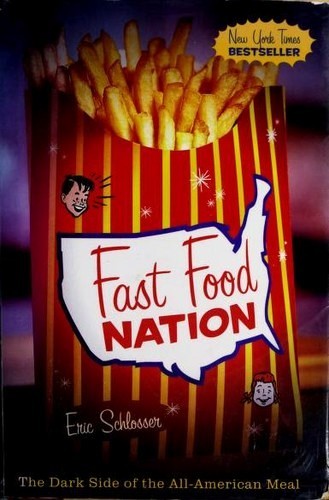
- BookFast Food Nation: The Dark Side of the All-American Meal · Bookshop.org
After World War II, San Bernardino drive-in competition revealed that 80 percent of the McDonald brothers' sales came from hamburgers, not barbecue. They rebuilt the restaurant around a nine-item menu and a mechanized kitchen where a 12-person crew specialized in tasks, letting McDonald's prepare food quickly and sometimes ahead of an order; Richard McDonald said, "Our whole concept was based on speed, lower prices and volume."
- ReadHow McDonald's Became an Icon of Fast Food | HISTORY · HISTORY
Fast Food Nation by Eric Schlosser focuses in "The American Way" on the beginnings of the fast-food business in post-World War II America, opening with pioneers Carl N. Karcher and the McDonald brothers in southern California. Schlosser's section gives readers a historical view of the industry's rise.


Book links are Bookshop.org affiliate links. Curiate may earn a commission on purchases, at no extra cost to you — Bookshop.org also gives a share to independent bookshops.
Reading paths, built to arrive somewhere
Curiate turns what you are curious about into a short path — a quick lesson on an article, something to watch, and a book to go deep on. Free to browse.