How creative vision shapes the history of architecture
The history of architecture traces changes in architecture across traditions, regions, stylistic trends, and dates; these traditions are thought to have begun as humans met the basic need for shelter and protection.
2 articles, 1 book · about 1 hr 27 min of reading and viewing
The reading path
- Readthe history of architecture · Wikipedia · 60+ min read
In the history of architecture, Francesco di Giorgio (1439 to 1502) and Giuliano da Sangallo (circa 1445 to 1516) were making numerous studies of ancient monuments by the 1480s, transforming the models into new designs. Reconstructing the Campidoglio from fragmentary ruins, Francesco annotated it as "largely imagined by me, since very little can be understood from the ruins." Art Nouveau architecture includes the Paris Metro entrance at Porte Dauphine by Hector Guimard (1900), whose cast-iron and glass canopy is as much sculpture as it is architecture. Baroque urban planning and renewal, promoted by the church and the state, was a manifestation of power and authority on the grandest scale. It was the first era since antiquity to experience mass migration into cities, and urban planners took idealistic measures to regulate them.
- ReadSeven Architectural Styles That Shaped Human Culture · Learn Architecture Blog · 7 min read
Bauhaus architecture champions functional design through clean lines, geometric forms, and minimal ornamentation, reflecting the belief that form follows function. The movement profoundly influenced modern architecture and design principles.
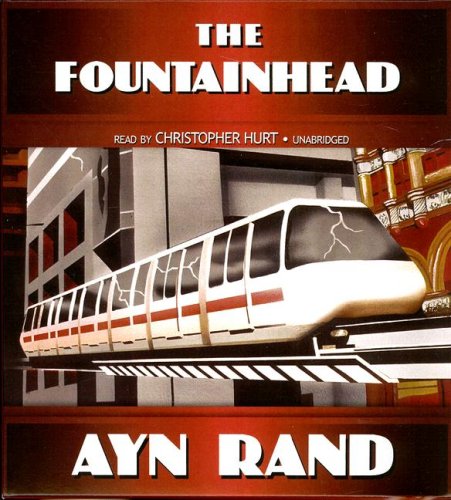
- BookThe Fountainhead · Bookshop.org
The Fountainhead by Ayn Rand tells the story of young architect Howard Roark and the denunciation he faces from an enraged society, bringing an architect's integrity and society's response to creation into view.


Book links are Bookshop.org affiliate links. Curiate may earn a commission on purchases, at no extra cost to you — Bookshop.org also gives a share to independent bookshops.
Reading paths, built to arrive somewhere
Curiate turns what you are curious about into a short path — a quick lesson on an article, something to watch, and a book to go deep on. Free to browse.