How culinary traditions around the world are learned
Culinary traditions around the world are styles of cooking shaped by distinctive ingredients, techniques, and dishes associated with cultures or regions. How do people learn foodways, and how do these traditions change as they meet new ingredients, places, and cultural influences? The lessons trace how local practices, migration, and exchange shape food traditions.
3 articles, 1 book
The reading path
- Readculinary traditions around the world · Wikipedia
Japan's first substantial and direct exposure to the West came with the arrival of European missionaries in the second half of the 16th century. Spanish and Portuguese game frying techniques combined with an East Asian method for cooking vegetables in oil to develop tempura, the "popular Japanese dish in which seafood and many different types of vegetables are coated with batter and deep fried", showing how cultural exchange transmits culinary knowledge and shapes food traditions. In Italy, northern cuisine features butter and rice, while southern cuisine uses wheat pasta and olive oil. The vegetarianism practiced in much of India has made pulses such as chickpeas and lentils as important as wheat or rice. Around the end of the 17th century, hot pepper from South America was introduced to China, influencing Sichuan cuisine, which combines it with Sichuan pepper to create mala flavor. This is an example of cuisines evolving through innovation and cultural interaction.
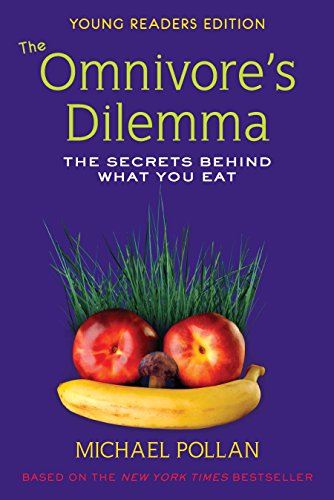
- BookThe Omnivore's Dilemma: A Natural History of Four Meals · Bookshop.org
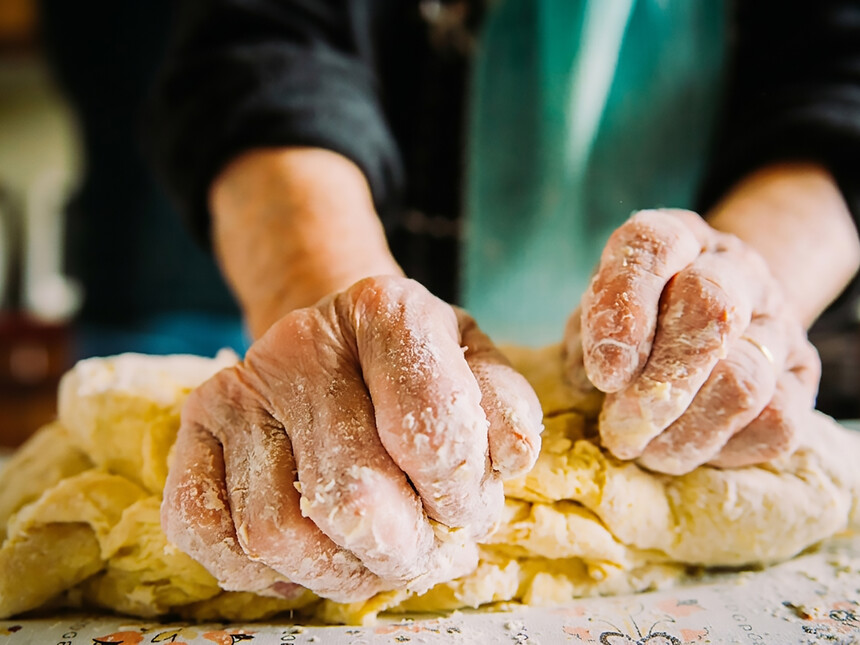
Chinese immigrants recreated familiar meals with locally available ingredients, and their recipes evolved to suit new environments and local tastes. Western Chinese restaurant dishes often differ from those commonly found in China, yet preserve essential cooking techniques and flavours-showing how migration teaches and transforms food traditions.
- ReadMigration and the making of modern cuisine · Meer
Enslaved Africans' agricultural knowledge and culinary expertise shaped American cuisine, particularly in the South, and West African expertise supported rice cultivation in the Carolinas. Korean tacos and halal pizza are often dismissed as "inauthentic," yet hybrid cuisines express people honoring their roots while engaging with their surroundings.
- ReadFlavor Migrations: The Stories Behind America's Diverse Culinary Landscape · Reher Center
The Omnivore's Dilemma by Michael Pollan describes his attempt to prepare a meal using only ingredients he hunted, gathered, or grew himself, including wild mushrooms, and his search for abalone; Pollan also investigates the environmental and animal welfare effects of various food choices.


Book links are Bookshop.org affiliate links. Curiate may earn a commission on purchases, at no extra cost to you — Bookshop.org also gives a share to independent bookshops.
Reading paths, built to arrive somewhere
Curiate turns what you are curious about into a short path — a quick lesson on an article, something to watch, and a book to go deep on. Free to browse.