How entropy helps explain time's direction
Thermodynamics is the branch of physics that deals with heat, work, temperature, and how they relate to energy, entropy, and the physical properties of matter and radiation. It developed from efforts to improve early steam engines, particularly through the work of French physicist Sadi Carnot (1824). These lessons explore entropy, heat transfer, equilibrium, and the limits of physical processes.
2 articles, 1 video, 1 book · about 40 min of reading and viewing
The reading path
- Readthermodynamics · Wikipedia · 24 min read
Chemical thermodynamics studies how energy relates to chemical reactions and physical changes of state under the laws of thermodynamics. Its primary objective is to determine whether a transformation is spontaneous. The third law of thermodynamics says that as a system's temperature approaches absolute zero, all processes cease and its entropy approaches a minimum. It is a statistical law of nature concerning entropy and the impossibility of reaching absolute zero.
- ReadCould quantum information theory explain universe evolution? · Physics World · 4 min read
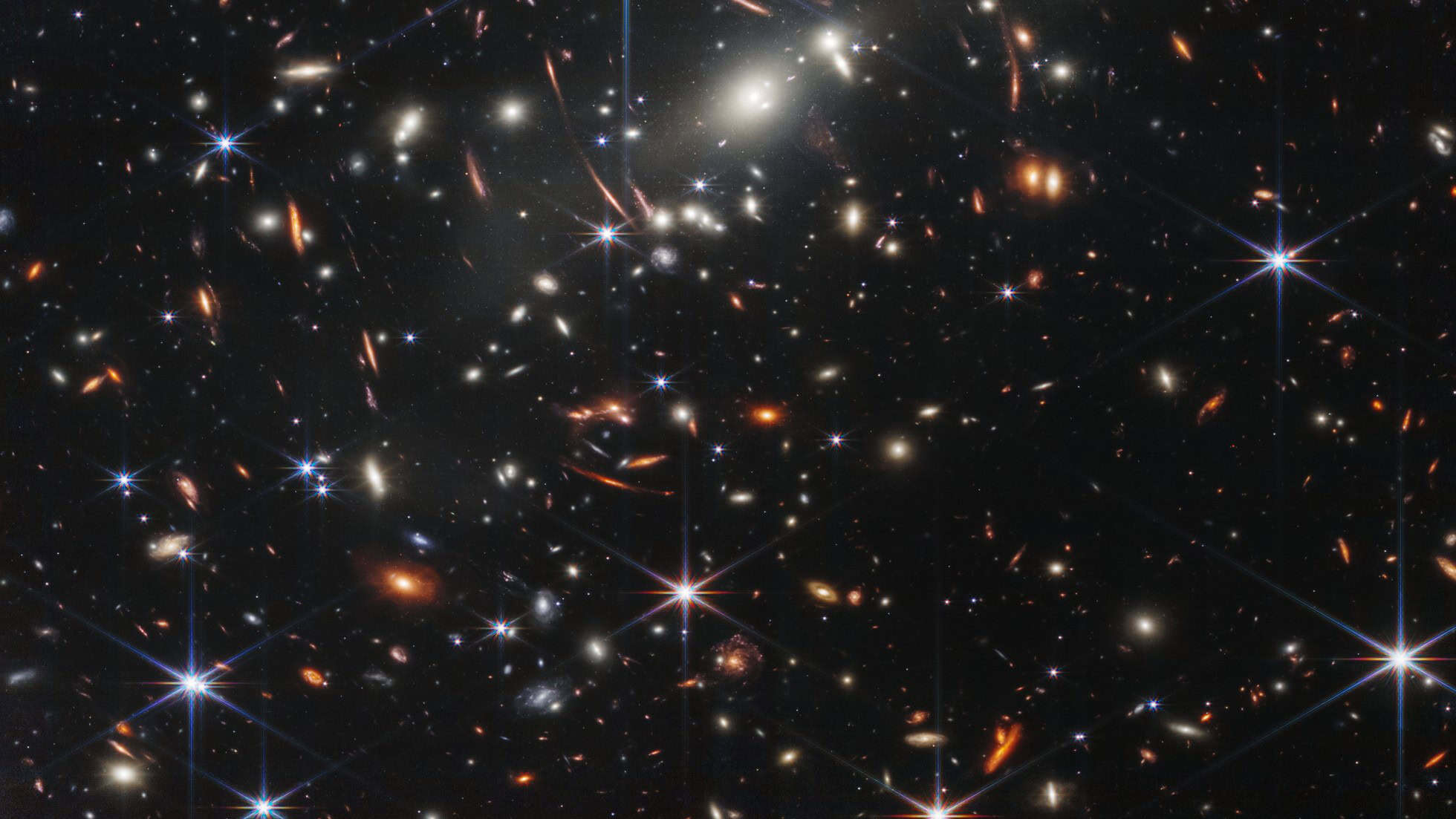
Galaxies are low in entropy but formed in a high-entropy environment, and their creation seemingly violates the second law. The universe is believed to have evolved from a state of low entropy to states of high entropy while giving rise to some incredibly complex structures, a cosmological paradox.
- WatchThermal energy, temperature, and heat | Khan Academy · YouTube · 12 min watch
Thermal energy is the kinetic energy of particles, and temperature measures their average kinetic energy. Heat is energy transferred into or out of a system, by conduction, convection or radiation.
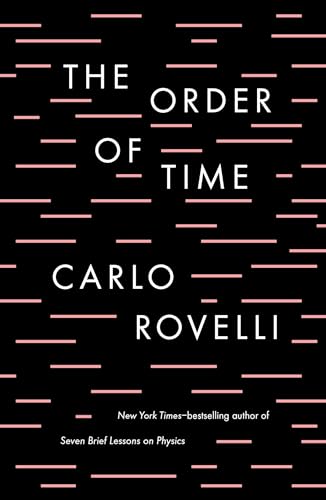
- BookThe Order of Time · Bookshop.org
The Order of Time (Italian: L'ordine del tempo) is a book by Italian physicist Carlo Rovelli, a specialist in quantum gravity research, about time in physics.


Book links are Bookshop.org affiliate links. Curiate may earn a commission on purchases, at no extra cost to you — Bookshop.org also gives a share to independent bookshops.
Reading paths, built to arrive somewhere
Curiate turns what you are curious about into a short path — a quick lesson on an article, something to watch, and a book to go deep on. Free to browse.