How the grid adapts to renewable energy
Renewable energy is energy from sources that supplied nearly all energy before coal developed in the mid 19th century. The lessons answer how a grid can adapt to renewable energy, and help readers understand how to balance changing supply and demand. They connect generation, storage and the wider energy system.
3 articles, 1 video, 1 book · about 1 hr 33 min of reading and viewing
The reading path
- Readrenewable energy · Wikipedia · 60+ min read
Renewable energy supply and demand can be flattened by using diversified renewable energy sources and smart grids. Building overcapacity for wind and solar generation can help ensure sufficient electricity production even during poor weather. Electrical energy storage supports renewable energy by returning electricity to the grid when production falls below consumption. Pumped-storage hydroelectricity accounts for more than 85% of all grid power storage. Renewable energy infrastructure is increasingly vulnerable to climate-related extreme weather, including heat waves, wildfires, severe storms, and flooding. These stresses can threaten electricity-supply continuity in regions with high shares of variable renewables.
- ReadFive charts showing the EU's surprising progress on renewable energy - Carbon Brief · Carbon Brief · 3 min read
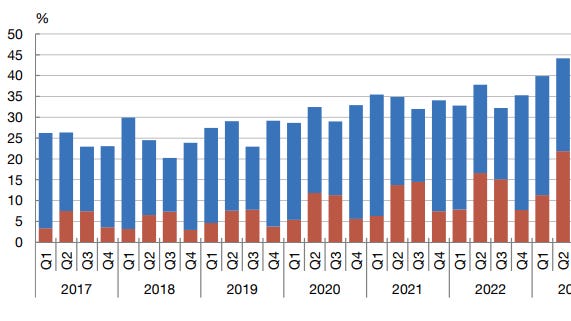
Renewables contribute 26% of EU electricity, 17% of heating and cooling and 5% of transport. It's generally thought to be easier to decarbonise the electricity sector than heating or transport, where oil and gas continue to dominate.
- ReadThe impact of renewable energy on electricity costs · Klement on Investing · 2 min read
Wind and solar output is intermittent and volatile, which is a problem for the energy transition. This piece argues that energy storage and low-emissions sources such as nuclear power can fix it.
- WatchSolar Energy| Energy Resources and Consumption| AP Environmental science| Khan Academy · YouTube · 7 min watch
Passive solar systems absorb heat directly from the sun, while active systems use equipment to collect and store solar energy. Photovoltaic cells turn sunlight into electricity, but their use is limited by how much sunlight is available.
- BookThe Grid: The Fraying Wires Between Americans and Our Energy Future · Bookshop.org
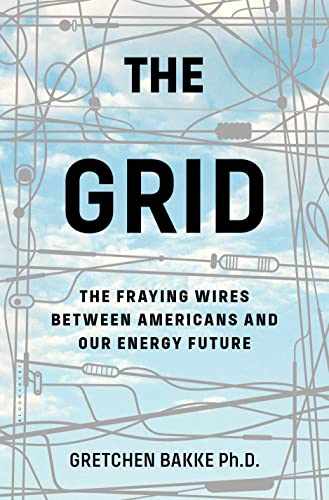
The Grid by Gretchen Bakke describes a U.S. grid so rickety and near collapse that a strong wind or hot day can bring it to a grinding halt, and argues that the consequences of failure are significant.


Book links are Bookshop.org affiliate links. Curiate may earn a commission on purchases, at no extra cost to you — Bookshop.org also gives a share to independent bookshops.
Reading paths, built to arrive somewhere
Curiate turns what you are curious about into a short path — a quick lesson on an article, something to watch, and a book to go deep on. Free to browse.