How evolutionary biology explains life's diversity
Evolutionary biology is a subfield of biology that analyzes the four mechanisms of evolution: natural selection, mutation, genetic drift, and gene flow. How does evolutionary biology connect its history and theories to development, cooperation, ageing, and adaptation? By the end, readers will understand how the field explains life's diversity and the scope and limits of evolutionary explanations.
2 articles, 1 book
The reading path
- Readevolutionary biology · Wikipedia
Evolutionary biology emerged as an academic discipline in the 1930s and 1940s, during the modern synthesis, a period when biologists brought together research and theory about evolution. Charles Darwin proposed evolution by natural selection in 1859. Theodosius Dobzhansky and E. B. Ford established an empirical research programme, while Ronald Fisher, Sewall Wright, and J. B. S. Haldane created a theoretical framework. In evolutionary developmental biology, scientists examine how developmental processes help a specific organism reach its current body plan, and how the genetic regulation of development and the evolutionary process allows this understanding. By looking at developmental processes alongside the evolutionary tree, scientists can determine when a specific structure came about, linking evolutionary biology to explanations of life's diversity. Modern evolutionary synthesis is an account of evolution devised when the molecular basis of genes was unknown, with agreement about which forces contribute to evolution but not their relative importance. Some evolutionary research seeks to explain phenomena poorly accounted for in it, including the evolution of cooperation and ageing.
- ReadFive Astounding Ways Humans Are Driving Animal Evolution, Including Causing Lizards to Grow Longer Legs and Leading Moth Populations to Become Darker · Smithsonian Magazine
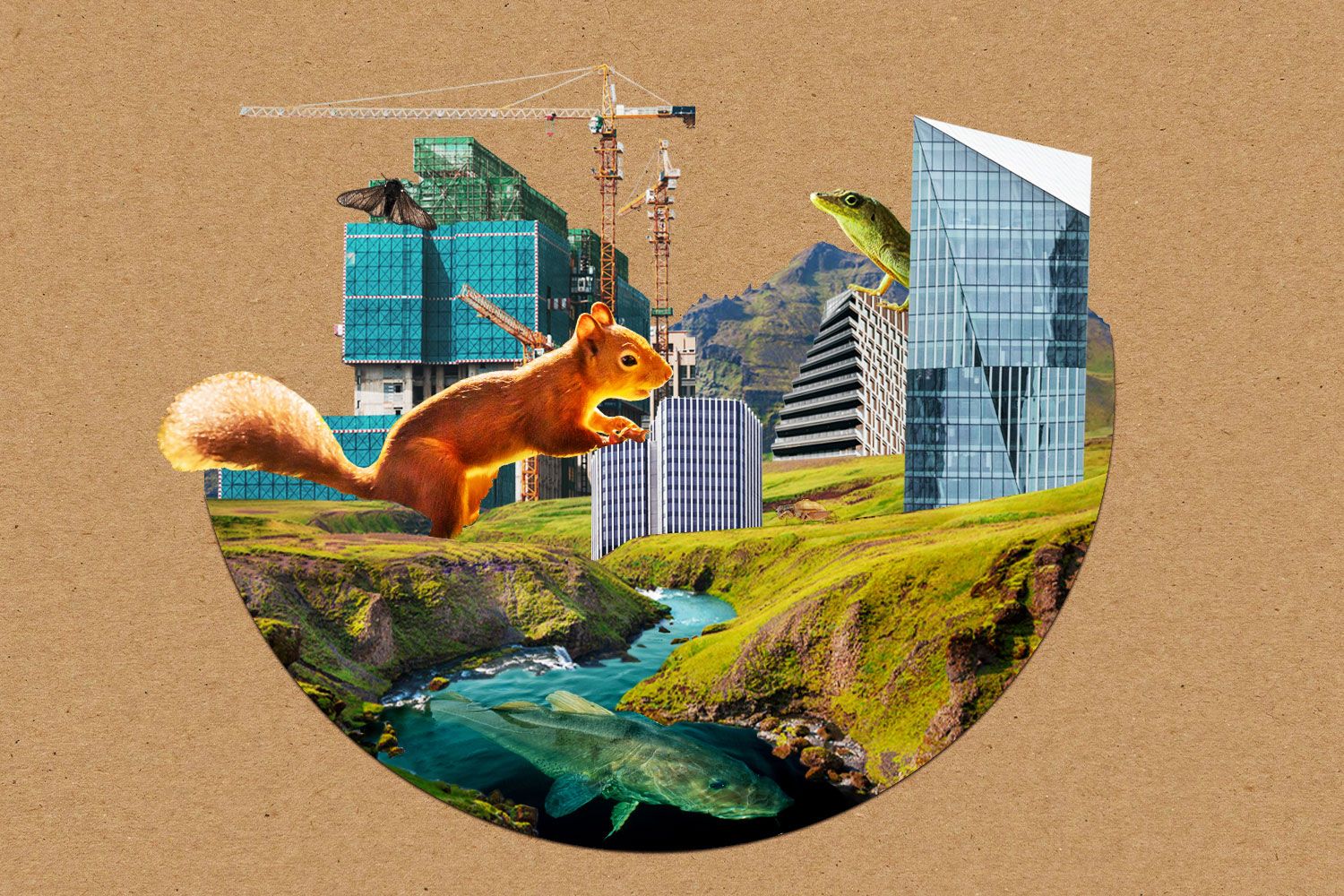
Puerto Rican city anoles have evolved longer limbs, supersize toe pads that cling to smooth surfaces, and heat tolerance almost two degrees Fahrenheit higher than their rural relatives. Biologist Kristin Winchell says genetically distinct populations developed physical and genomic adaptations in multiple locations over 20 to 30 years, an example of parallel adaptation to the same urban pressures. Such changes can aid survival, but may also carry costs or affect wider ecosystems.
- BookThe Beak of the Finch: A Story of Evolution in Our Time · Bookshop.org
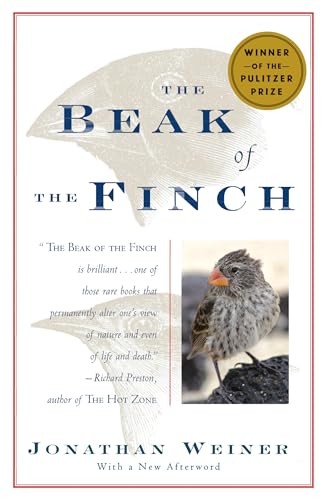
The Beak of the Finch, by Jonathan Weiner, describes the Grants' observations of finches: after droughts or floods, they showed that traits with fitness consequences can respond to selection and be heritable, making evolution observable in real time.
Book links are Bookshop.org affiliate links. Curiate may earn a commission on purchases, at no extra cost to you — Bookshop.org also gives a share to independent bookshops.
Reading paths, built to arrive somewhere
Curiate turns what you are curious about into a short path — a quick lesson on an article, something to watch, and a book to go deep on. Free to browse.