How expectation and ritual shape the placebo effect
The placebo effect is relief that can sometimes result from placebos, medicines or treatments intended to appear genuine but having no pharmaceutical effect. These lessons explore how expectations and social context, including relationships with doctors, may shape symptoms, helping readers understand how what people anticipate can influence their experience.
3 articles, 1 video, 1 book · about 50 min of reading and viewing
The reading path
- ReadThe power of the placebo effect - Harvard Health · Harvard Health Blog · 3 min read
In the placebo effect, a study in Science Translational Medicine tested people's reactions to migraine pain medication: one group took a migraine drug labeled with the drug's name, another took a placebo labeled "placebo," and a third group took nothing. The placebo was 50% as effective as the real drug to reduce pain after a migraine attack.
- Read"The Nocebo Effect" · priory.com · 5 min read
For the nocebo effect, as for the placebo effect, subconscious conditioning and conscious expectations seem to be the main psychological mechanisms. Patients who have had prominent side-effects with an active drug may be conditioned to experience similar side-effects later when given a placebo.
- Readthe placebo effect · Wikipedia · 32 min read
Rituals may contribute to long-term placebo effects: Hyland and Whalley conclude that carrying out a ritual, rather than believing in it, may be an important factor.
- WatchThe Powerful Placebo Effect in Modern Medicine · YouTube · 10 min watch
Placebos have no therapeutic value of their own, yet they can reduce pain and stress. The video presents theories about how they work.
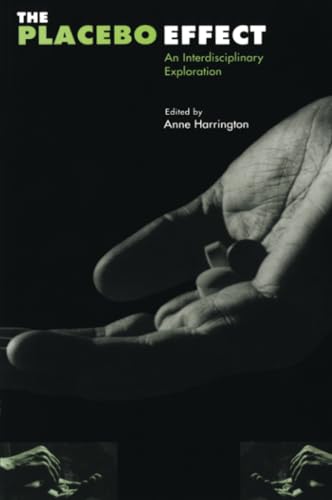
- BookThe Placebo Effect: An Interdisciplinary Exploration · Bookshop.org
The Placebo Effect by Anne Harrington reviews placebos' role in the history of medicine, investigates the current surge of interest in them, and probes the methodological difficulties of determining scientifically what placebos can and cannot do.


Book links are Bookshop.org affiliate links. Curiate may earn a commission on purchases, at no extra cost to you — Bookshop.org also gives a share to independent bookshops.
Reading paths, built to arrive somewhere
Curiate turns what you are curious about into a short path — a quick lesson on an article, something to watch, and a book to go deep on. Free to browse.