How island restoration revives Galápagos life
The fight for biodiversity in the Galapagos Islands is Island Conservation's approach, which is now being shown to have a wider beneficial effect on marine systems surrounding its project areas and has benefits besides conservation of species.
3 articles, 1 book
The reading path
- Readthe fight for biodiversity in the galapagos islands · Wikipedia · 15 min read
The 2012 Pinzon and Plaza Sur Island Restoration Project primarily benefited the Pinzón giant tortoise, Opuntia galapageia, and Galápagos land iguana. As a result of the project, Pinzon Giant Tortoise hatched from eggs and were surviving in the wild for the first time in more than 150 years.
- ReadABC News: Previously extinct bird, gecko populations from the Galapagos Islands have reappeared - Island Conservation · Island Conservation · 3 min read
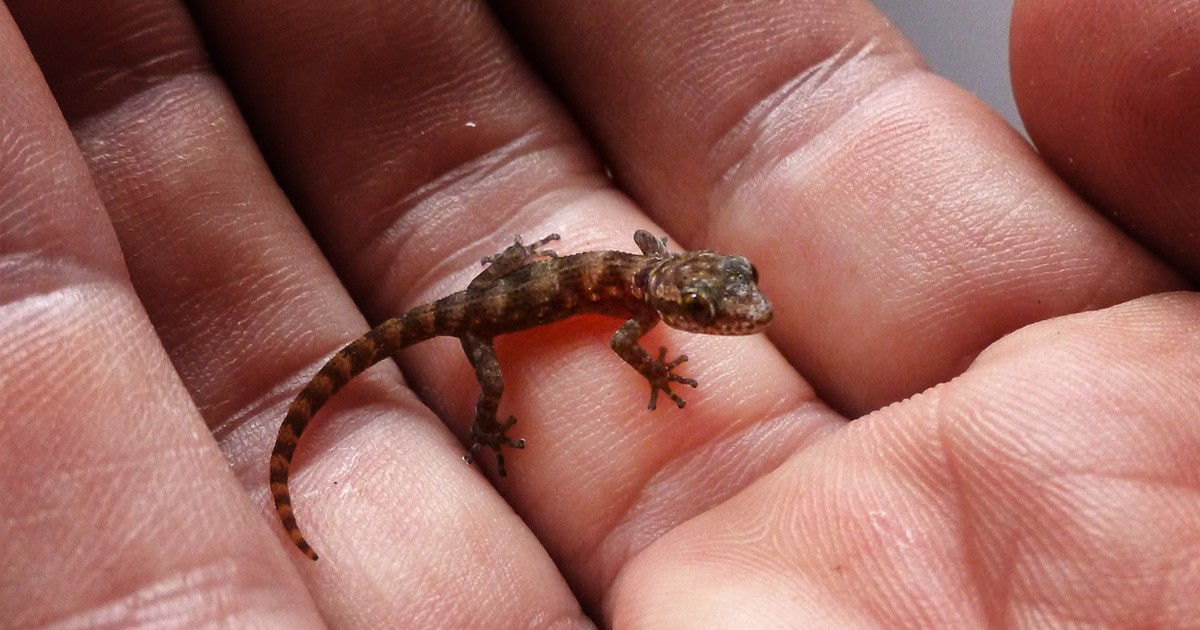
Cactus finches and geckos, locally extinct on the Galapagos Islands, are now "thriving" in restored habitats, according to biologists who traveled to Rabida and Pinzon islands to monitor wildlife recovery 10 years after an invasive rodent species was removed. The finches are considered extinct from the region, and a healthy population of geckos has recolonized Rabida Island.
- ReadInvasion by Cedrela odorata threatens long distance migration of Galapagos tortoises - PMC · pmc.ncbi.nlm.nih.gov
GPS telemetry tracked 140 migratory journeys by 25 Western Santa Cruz Island Galapagos tortoises, and just eight of 140 traversed extensive Cedrela stands. The study says further expansion of Cedrela forest threatens long-distance migration and population viability of critically endangered Galapagos tortoises.
- BookThe Galápagos: A Natural History · Bookshop.org
The Galapagos by Henry Nicholls charts the archipelago's evolution from deserted wilderness to scientific resource and global ecotourism hot spot, describes its diverse life forms and the origin of new species, and considers the immense challenges facing the islands and what lies ahead.


Book links are Bookshop.org affiliate links. Curiate may earn a commission on purchases, at no extra cost to you — Bookshop.org also gives a share to independent bookshops.
Reading paths, built to arrive somewhere
Curiate turns what you are curious about into a short path — a quick lesson on an article, something to watch, and a book to go deep on. Free to browse.