How fashion technology shapes clothes
Fashion technology is not defined in the provided sentences; modern Western fashion design is often considered to have started in the 19th century with Charles Frederick Worth. The lessons explore how garments are designed and made, how mass-market and haute couture production differ, and how clothing can incorporate digital technology.
2 articles, 1 book · about 27 min of reading and viewing
The reading path
- Readfashion technology · Wikipedia · 23 min read
Dart manipulation is moving a dart to different places on a garment without changing its overall fit. Garment design starts with patternmaking, which includes dart manipulation, contouring, and added fullness. Mass-market producers often use cheaper fabrics and simpler production techniques that can easily be assisted by machines to save money and time. The end product can, therefore, be sold much more cheaply. Haute couture garments are made to order for individual customers and are usually made from high-quality, expensive fabric, sewn with extreme attention to detail and finish, often using time-consuming, hand-executed techniques. In haute couture, look and fit take priority over production time and cost.
- Readelectronic fibers weave touchscreen into sleeve that survives machine washing · Designboom · 4 min read
The NUS prototype integrated a touchscreen into a garment using electronic fibers, retaining the breathability and flexibility of everyday clothing while withstanding machine washing. It retained nearly unchanged display and touch performance after 50 machine-washing cycles, and the technology could eventually allow clothing to function as an interface for digital information, environmental sensing, and health monitoring. Fashion technology can incorporate interconnected digital LEDs into a multilayer fiber using thermal drawing. The resulting thread is approximately one millimeter in diameter and 10 meters in length, with separate layers for displaying images and detecting touch.
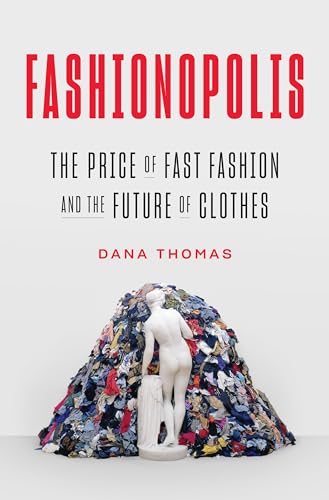
- BookFashionopolis: The Price of Fast Fashion and the Future of Clothes · Bookshop.org
Fashionopolis by Dana Thomas explores the environmental and social costs of the fast fashion industry and offers a vision for a more sustainable future.


Book links are Bookshop.org affiliate links. Curiate may earn a commission on purchases, at no extra cost to you — Bookshop.org also gives a share to independent bookshops.
Reading paths, built to arrive somewhere
Curiate turns what you are curious about into a short path — a quick lesson on an article, something to watch, and a book to go deep on. Free to browse.