How financial knowledge can support lasting wealth
Financial literacy means having the skills, knowledge, behavior, and attitude to make informed decisions about money and understand how to navigate the financial system. These lessons explore how financial knowledge and habits can build lasting capability, and how digital financial decisions connect with practical skills and financial well-being. People often misestimate their financial knowledge.
2 articles, 1 book
The reading path
- Readfinancial literacy · Wikipedia
Lusardi and Mitchell (2014) identified that people rate their subjective financial literacy higher than their objective financial literacy because of their behavioral biases when judging their financial knowledge subjectively. People often misestimate their financial knowledge, and financial literacy allows individuals to make informed decisions regarding money. Digital financial literacy combines objective financial knowledge with digital knowledge, awareness and practical use of digital financial services, and the ability to avoid digital fraud. It enables people to make financial decisions using digital devices, and is needed across consumers because digitalization increases fraud victimization, which can lead to misinformed decisions.
- Read"US National Strategy for Financial Literacy 2020" · home.treasury.gov
Financial well-being means meeting current and ongoing obligations, feeling secure about the future, and being able to make choices that allow enjoyment of life. The strategy argues that financial education should build lasting capability, not just pass along facts: it defines literacy through skills, knowledge and tools, and says educators should tailor information to people's circumstances and deliver it when it is actionable and relevant. For young people, it highlights building financial habits, knowledge and decision-making skills, then assessing whether education improves well-being.
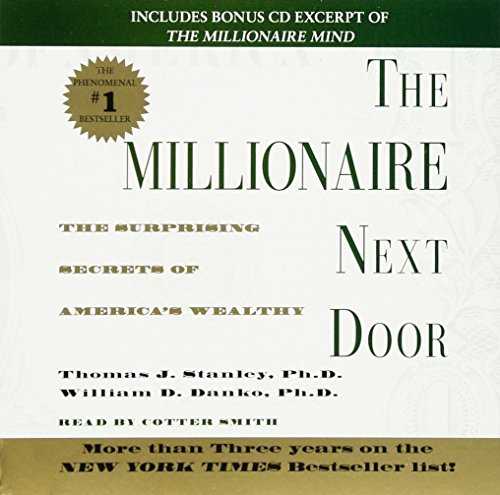
- BookThe Millionaire Next Door · Bookshop.org
The Millionaire Next Door by Thomas J. Stanley and William D. Danko is a book about wealth in America. Stanley presents a claim about what does, and does not, build wealth.

Book links are Bookshop.org affiliate links. Curiate may earn a commission on purchases, at no extra cost to you — Bookshop.org also gives a share to independent bookshops.
Reading paths, built to arrive somewhere
Curiate turns what you are curious about into a short path — a quick lesson on an article, something to watch, and a book to go deep on. Free to browse.