What makes belief count as knowledge in epistemology
Epistemology is the branch of philosophy that examines the nature, origin, and limits of knowledge, including knowledge of facts, practical skills, and familiarity through experience. The lessons answer what makes a belief count as knowledge, helping readers understand why having a true belief with reasons may not be enough. They consider how knowledge relates to justification, personal inquiry, and different ways of knowing.
2 articles, 1 video, 1 book · about 2 hr 14 min of reading and viewing
The reading path
- Readepistemology · Wikipedia · 60+ min read
In the fake-barn example, a person unaware of all the fake barns stops at the only real barn and forms a justified true belief, meaning a belief that is justified and true. Many epistemologists agree this is not knowledge because the justification is not directly relevant to the truth. Epistemologists distinguish propositional justification, having sufficient reason to believe something, from doxastic justification, holding the belief because of that reason. Someone with sufficient reason to believe a neighborhood is dangerous but who believes it based on superstition has propositional justification but lacks doxastic justification.
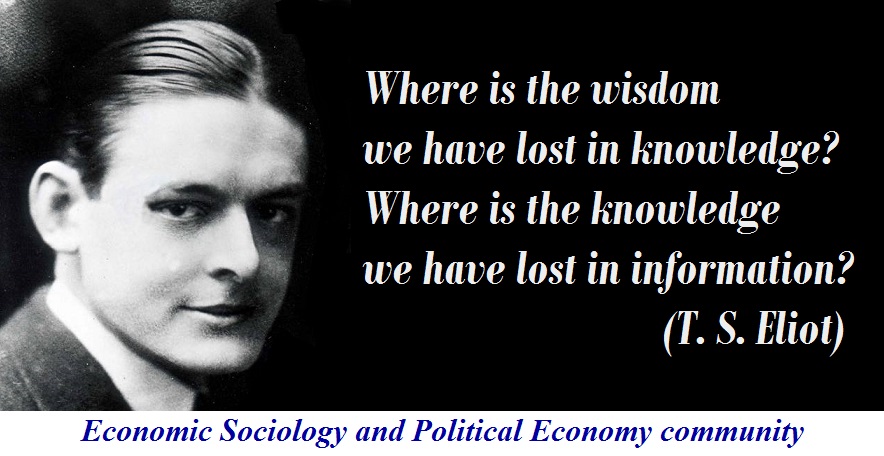
- ReadKnowledge Lost in Information (Implanted Beliefs, part 2) · 3 Quarks Daily · 8 min read
Justified true belief is the standard formula that knowledge is a true belief supported by justification. In the trivia-night example, the installed belief that Brahmanandam Kanneganti has appeared in more than a thousand films is true and reliably produced, yet the installation case suggests knowledge also requires a person's own capacities for inquiry, evaluation, and responsiveness to reasons.
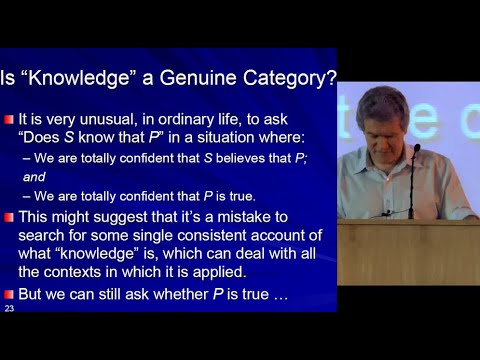
- WatchKnowledge & Scepticism - General Philosophy (Peter Millican) · YouTube · 54 min watch
Peter Millican discusses the traditional analysis of knowledge, Gettier cases, externalism, skepticism and the ethics of belief.
- BookEpistemology: A Very Short Introduction · Bookshop.org
Epistemology by Paul K. Moser gives an engaging overview of key epistemological questions and makes complex ideas accessible.
Book links are Bookshop.org affiliate links. Curiate may earn a commission on purchases, at no extra cost to you — Bookshop.org also gives a share to independent bookshops.
Reading paths, built to arrive somewhere
Curiate turns what you are curious about into a short path — a quick lesson on an article, something to watch, and a book to go deep on. Free to browse.