How Hollywood's rise shaped the studio system
The early years of Hollywood's film industry were a time when silent film production expanded, studios formed and moved to California, and longer films were made. What shaped Hollywood's rise and the studio system, and how can you understand their development? The lessons connect the industry's growth with the changing ways films were made and stories were told.
2 articles, 1 book · about 1 hr of reading and viewing
The reading path
- Readthe early years of the film industry in hollywood · Wikipedia · 56 min read
In the early years of the film industry in Hollywood, filmmakers gravitated towards southern California as the industry developed. Its warm, predictable climate and reliable sunlight made it possible to film outdoors year-round. Classical Hollywood cinema, or the Golden Age of Hollywood, was a technical and narrative style characteristic of American cinema from 1913 to 1962, when thousands of movies were issued from the Hollywood studios. The style solidified when The Jazz Singer was released in 1927, ending the silent film era and increasing box-office profits by introducing sound to feature films. In 1907, the Kalem Company began using Fort Lee as a location for filming, and other filmmakers quickly followed. In 1909, the Champion Film Company, a forerunner of Universal Studios, built the first studio.
- ReadHow Oscar Micheaux Challenged the Racism of Early Hollywood - JSTOR Daily · JSTOR Daily · 4 min read
Oscar Micheaux began making films in 1919 that differed from mainstream fare coming out of the new Hollywood studios. His films featured predominantly black casts whose characters pushed back against the cruel caricatures of black Americans in popular films like The Birth of a Nation.
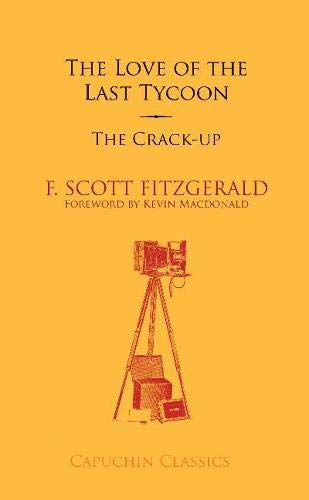
- BookThe Last Tycoon · Bookshop.org
The Last Tycoon by F. Scott Fitzgerald traces the life of Hollywood studio manager Monroe Stahr, clearly based on Irving Thalberg, and follows his rise to power and conflicts with rival Pat Brady, based on MGM studio head Louis B. Mayer.


Book links are Bookshop.org affiliate links. Curiate may earn a commission on purchases, at no extra cost to you — Bookshop.org also gives a share to independent bookshops.
Reading paths, built to arrive somewhere
Curiate turns what you are curious about into a short path — a quick lesson on an article, something to watch, and a book to go deep on. Free to browse.