What makes film its own art
Film theory is a set of scholarly approaches that asks what is essential to motion pictures, and overlaps with the philosophy of film. The lessons answer what makes film its own art, helping readers understand how its nature can define its artistic identity. They consider the broader ideas through which film can be understood as a distinct art form.
2 articles, 1 video, 1 book · about 1 hr 1 min of reading and viewing
The reading path
- Readfilm theory · Wikipedia · 9 min read
Film theory includes Vachel Lindsay's argument that films could be classified into three categories: action films, intimate films, and films of splendor. Lindsay said action film was sculpture-in-motion, intimate film painting-in-motion, and splendor film architecture-in-motion.
- Read"Philosophy of Film" by Thomas Wartenberg – first published 2004; substantive revision m 2008. Stanford Encyclopedia of Philosophy · plato.stanford.edu · 32 min read
Film theory's classic period examined film's nature to distinguish it as an art form. Hugo Münsterberg, the first philosopher to write a monograph about film, argued that some technical devices used to present narratives, such as flashbacks, close-ups, and edits, distinguished film from theater. Early contexts for film exhibitions included vaudeville peep shows and circus side shows. Early philosophical inquiry asked whether the cinema, a term emphasizing the institutional structure within which films were produced, distributed, and viewed, could be regarded as an artform.
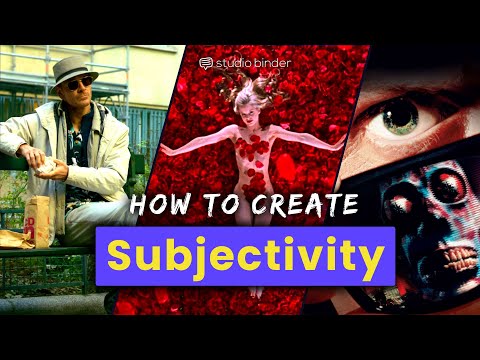
- WatchCreating Perspective in Film — Subjective Cinematography, Editing, and More · YouTube · 20 min watch
Filmmakers create a character's perspective through writing, cinematography and editing. The video also explains why that matters.
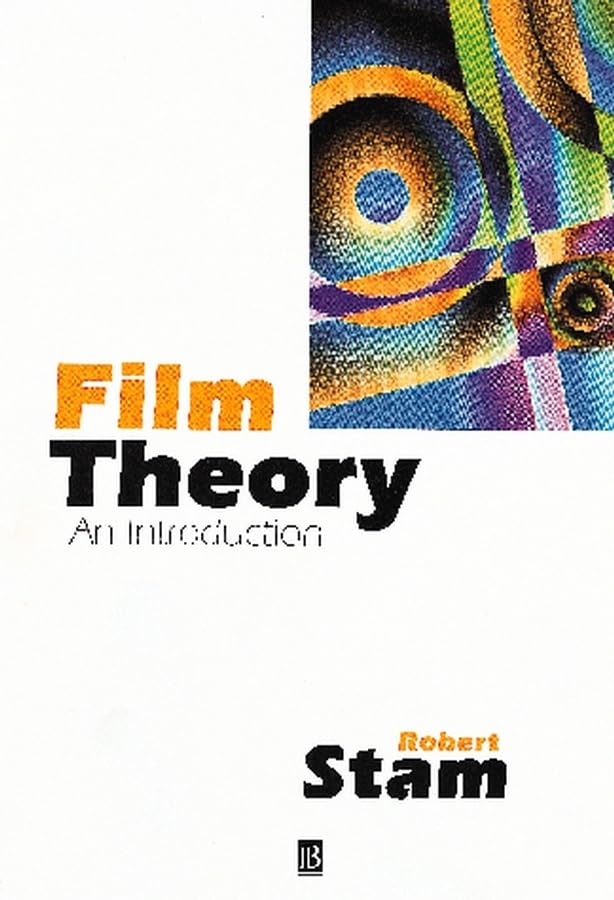
- BookFilm Theory: An Introduction · Bookshop.org
Film Theory by E. Ann Kaplan provides an overview of key film theories and describes how film analysis evolved and its cultural implications.

Book links are Bookshop.org affiliate links. Curiate may earn a commission on purchases, at no extra cost to you — Bookshop.org also gives a share to independent bookshops.
Reading paths, built to arrive somewhere
Curiate turns what you are curious about into a short path — a quick lesson on an article, something to watch, and a book to go deep on. Free to browse.