Exposure in digital and film photography
Digital versus film photography compares cameras that use electronic sensors to make images with photography made by exposing light sensitive film and paper, then processing them in liquid chemicals. The lessons answer how exposure shapes a photograph and help readers understand how light and its control affect the image. They follow exposure across both forms of photography.
2 articles, 1 video, 1 book · about 2 hr 16 min of reading and viewing
The reading path
- Readdigital vs. film photography · Wikipedia · 29 min read
Digital and film practical imaging systems both have a limited "dynamic range," the range of luminosity that can be reproduced accurately. Exposure means exposing light-sensitive film or paper to light; highlights that are too bright lose detail as white, while shadows that are too dark become black. Digital photography uses cameras with electronic photodetectors to create digital images rather than exposing photographic film. Most cameras use monochrome sensors that record light intensity across a broad range of wavelengths, including the visible spectrum, and color filters over each pixel, typically in a Bayer pattern, let the resulting grayscale images be combined into a color image. In professional usage, digital cameras allow immediate image review and deletion, and lighting and composition can be assessed immediately, which ultimately conserves storage space.
- ReadDigital Photography – FAQ · users.cs.duke.edu · 60+ min read
In film and digital photography, exposure determines how much light strikes the film or sensor, shaping how the photograph captures the scene. Aperture and shutter speed control the amount of light. Some experienced photographers can judge exposure accurately simply by looking at a scene. Before light meters, judging exposure by eye was the only way to choose how much light struck film or a sensor, shaping the photograph.
- WatchWhy Did Film Become So Popular & Is It Still Cool in 2025? · YouTube · 13 min watch
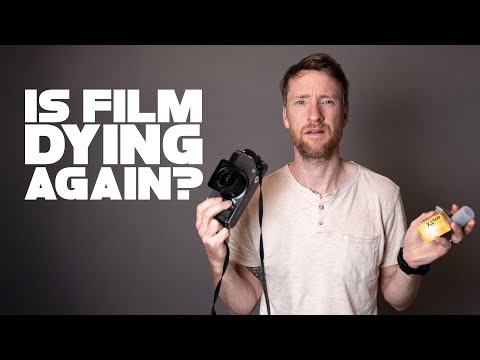
Film photography rose in the 2010s. Whether that boom is over, and where film photography stands in 2025, are open questions.
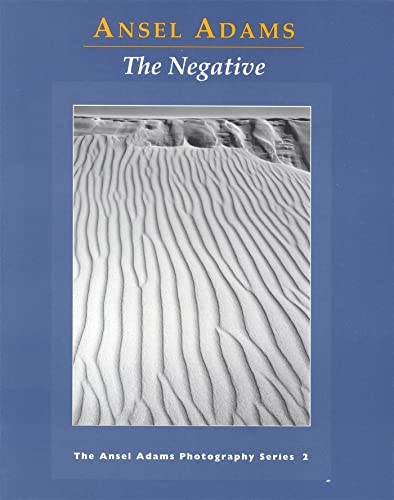
- BookThe Negative · Bookshop.org
The Negative by Ansel Adams pairs Adams's photographs with instructive line drawings.

Book links are Bookshop.org affiliate links. Curiate may earn a commission on purchases, at no extra cost to you — Bookshop.org also gives a share to independent bookshops.
Reading paths, built to arrive somewhere
Curiate turns what you are curious about into a short path — a quick lesson on an article, something to watch, and a book to go deep on. Free to browse.