How photography as art expresses ideas
Photography as art is photography made according to an artist's vision, using the medium to express an idea, message, or emotion. The lessons answer how photography can serve as creative expression and what it can be. They consider the relationship between artistic vision, making, and the possibilities of the medium.
2 articles, 1 book · about 31 min of reading and viewing
The reading path
- Readphotography as art · Wikipedia · 18 min read
The 1975 New Topographics exhibition at the George Eastman House brought human-altered landscape into the fine-art museum as a critical aesthetic position in photography as art. Group f/64, founded 1932, and Ansel Adams's photographs of Yosemite and the Sierra Nevada brought twentieth-century recognition to photography as art. Adams's photographs came to define American fine-art landscape photography. Ansel Adams, a widely recognized fine-art photographer of the 20th century and an avid conservation promoter, focused primarily on photography as art. Some of his work raised public awareness of the Sierra Nevada's beauty and helped build political support for its protection.
- ReadJason Francisco - Teaching Photography as Art · jasonfrancisco.net · 13 min read
Photography as art, for White and Adams, was a making: an act of seeing handled, a creative process as demanding as in any medium. They sought to legitimate photographic creativity and personal expression through rules, centering White's on design and Adams' on technical methods treated almost as law.
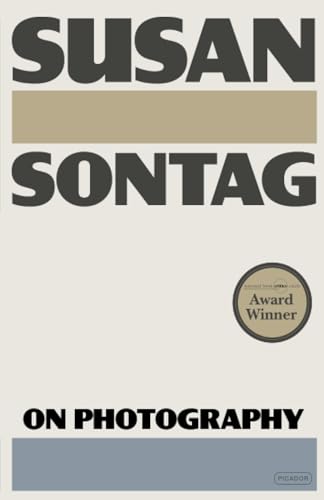
- BookOn Photography · Bookshop.org
On Photography by Susan Sontag studies how photographic images come between experience and reality and affect society. Sontag argues that photography has destroyed the boundaries and definitions of art, so viewers can approach photographs without expecting to discover what they mean.


Book links are Bookshop.org affiliate links. Curiate may earn a commission on purchases, at no extra cost to you — Bookshop.org also gives a share to independent bookshops.
Reading paths, built to arrive somewhere
Curiate turns what you are curious about into a short path — a quick lesson on an article, something to watch, and a book to go deep on. Free to browse.